Energy

Electricity, substations, generation, and the physical constraints shaping what AI can scale into.

Power, grid, and load growth

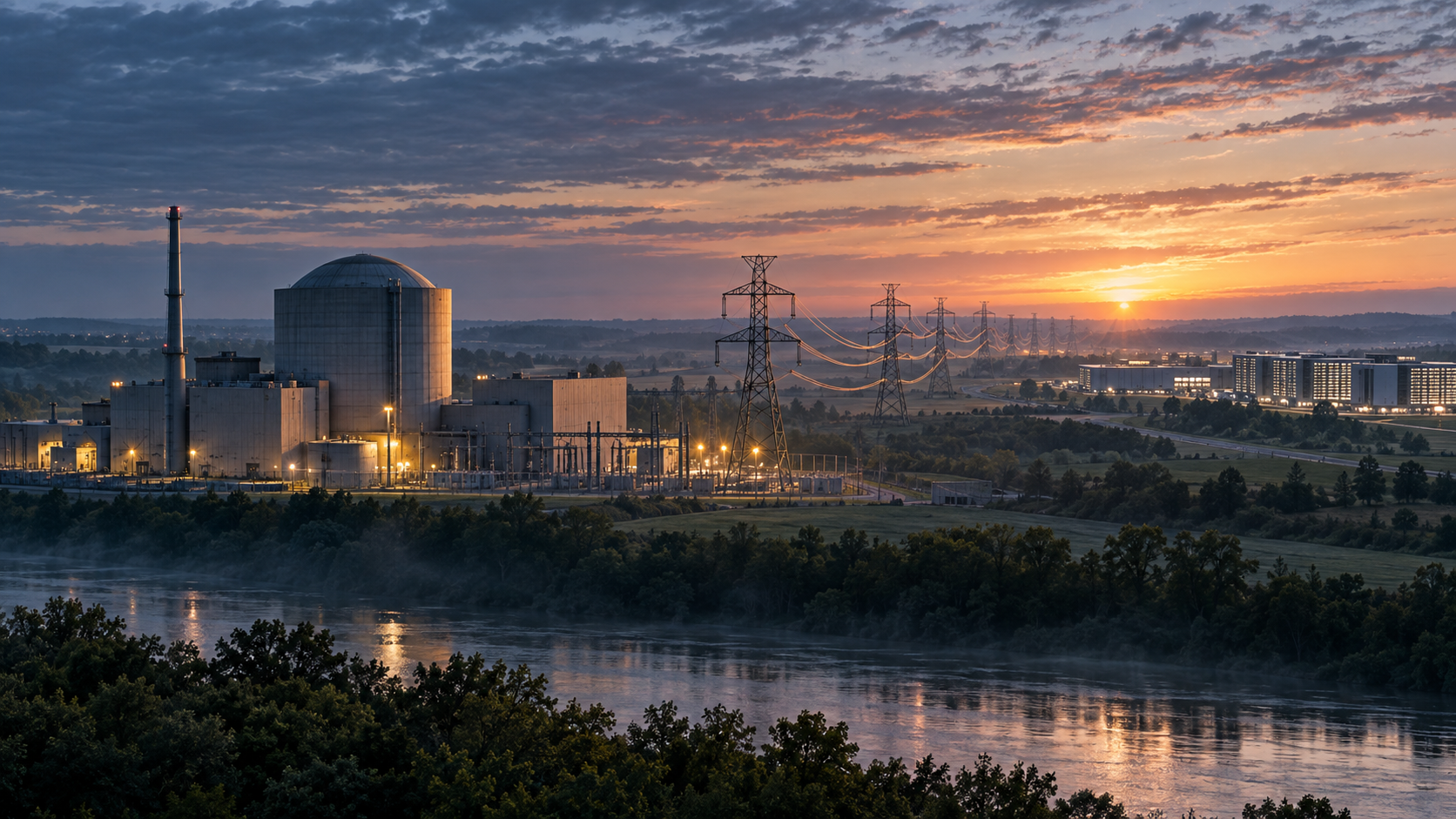
Energy GridHigh-voltage transmission towers and utility infrastructure supporting large-scale electricity demand
Energy GridMay 13, 20267 min read

How Much Electricity Does AI Actually Use in 2026?

The honest answer is no longer “a lot” or “not that much.” AI electricity use is rising quickly, but the real story depends on the difference between training and inference, how much load lands in data centers, and how fast grids can absorb new demand.

By Nawaz Lalani
Energy explainer
Read more
Energy GridResidential electricity meter and utility equipment mounted on the outside of a home
Energy GridMay 13, 20267 min read

Will Your Electricity Bill Go Up Because of AI?

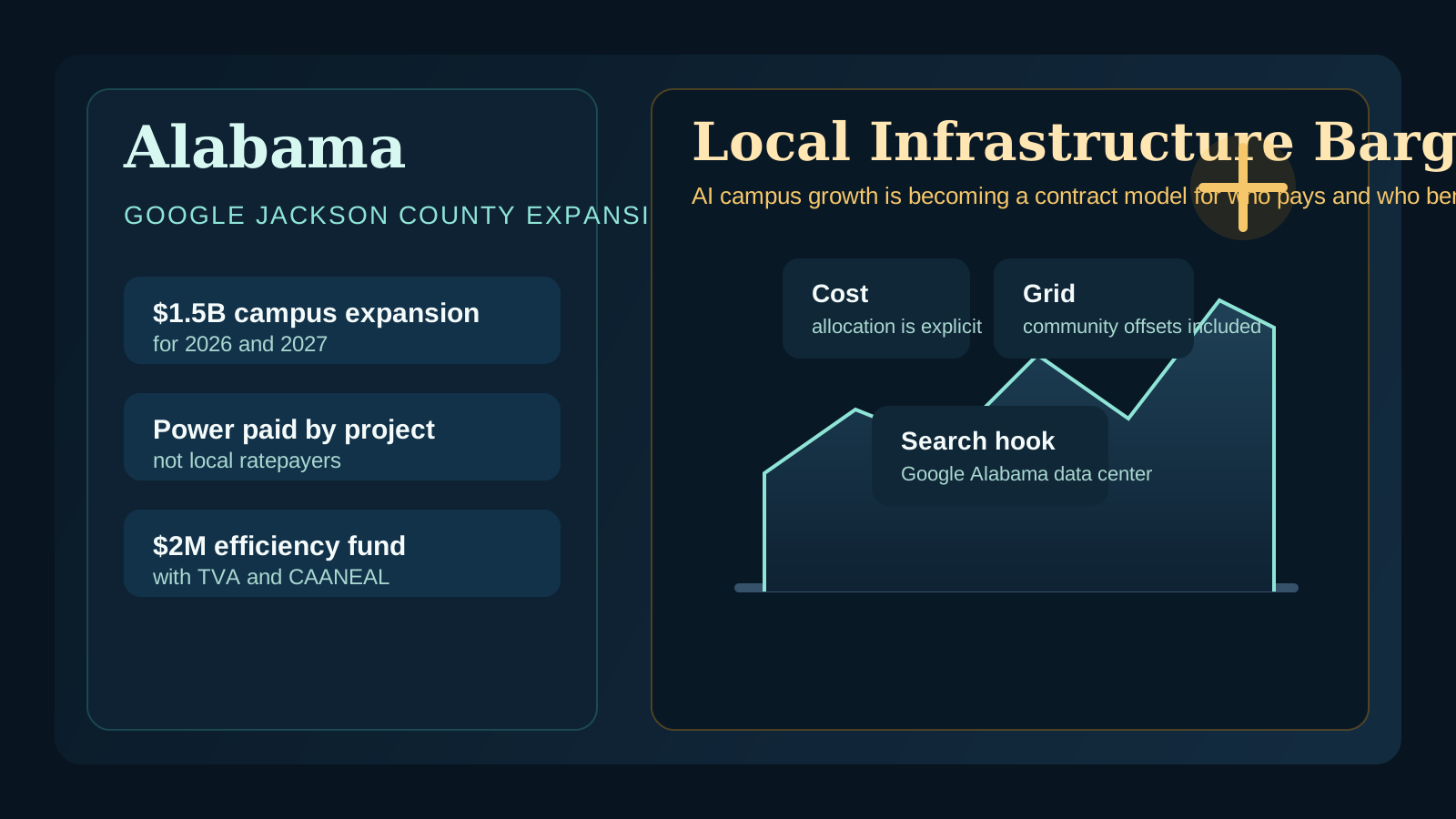
The uncomfortable answer is yes in some places, but not in the simple way most people assume. Household bills are more likely to rise when utilities socialize new infrastructure costs, when capacity-market rules price in projected AI load early, or when local grid bottlenecks force expensive upgrades.

By Nawaz Lalani
Ratepayer explainer
Read more
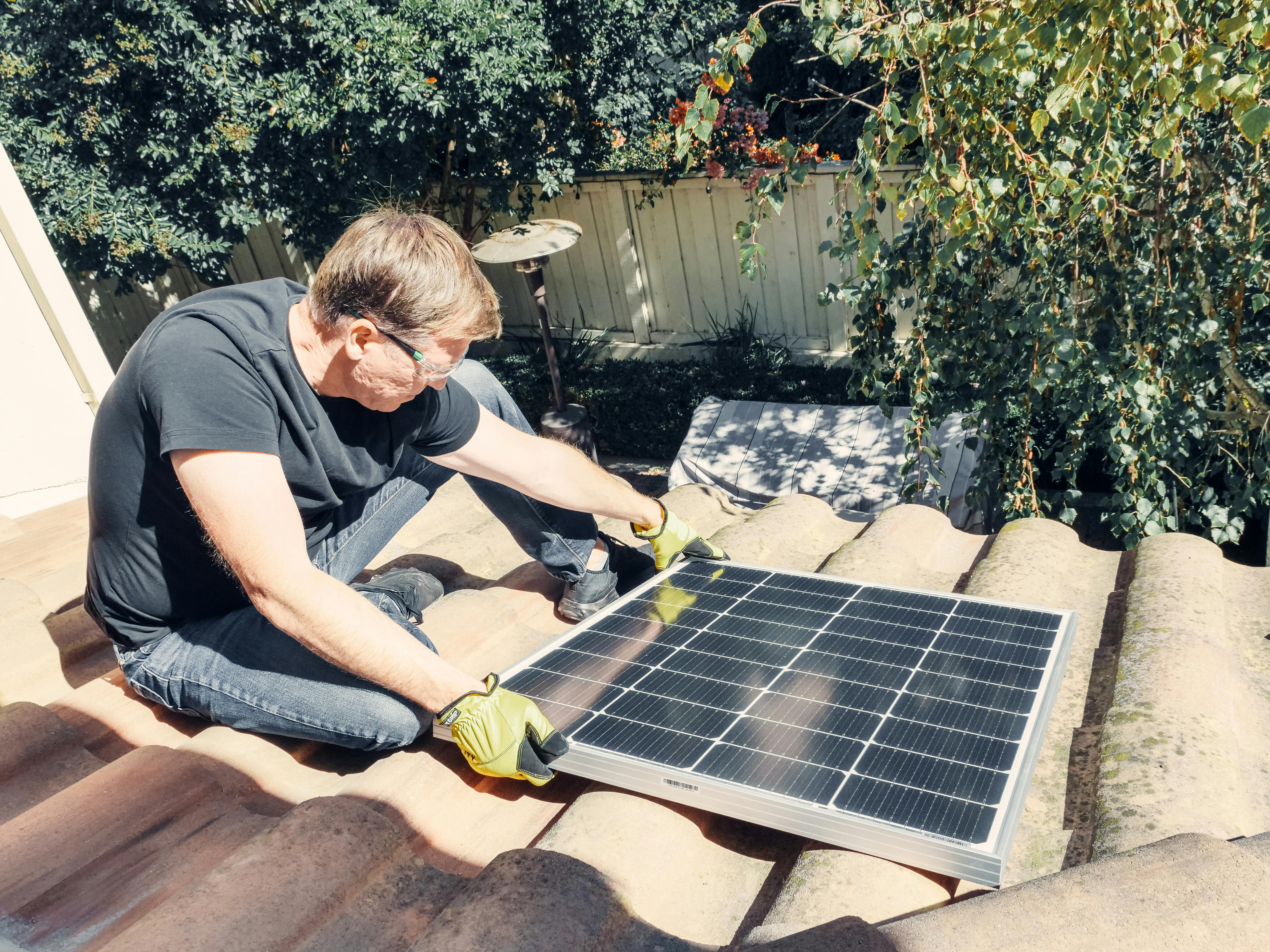
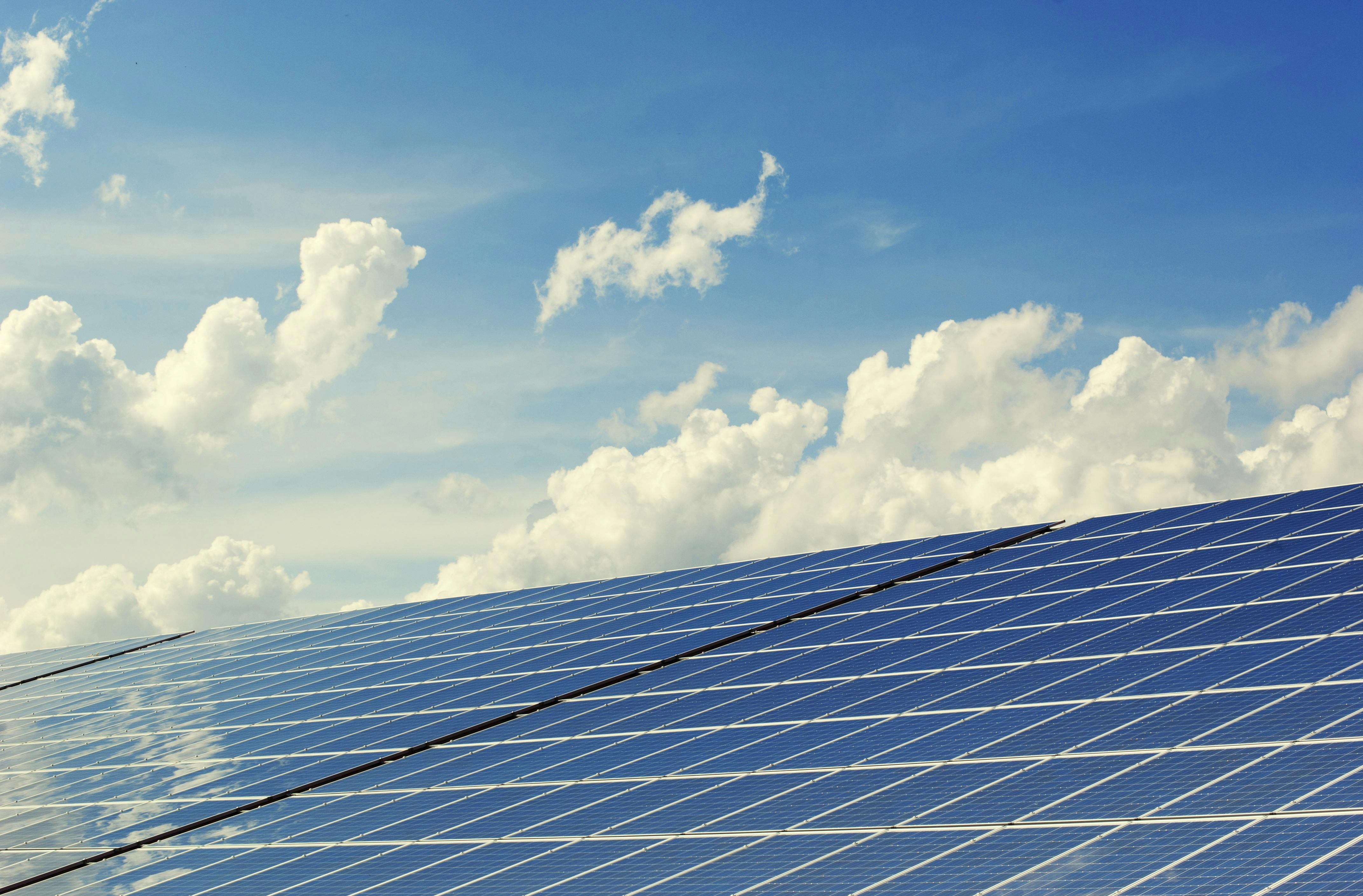
Energy GridSolar panels, transmission towers, and power infrastructure under a blue sky
Energy GridMay 10, 20267 min read

The AI Power Forecast Is Now a Planning Range, Not a Single Number

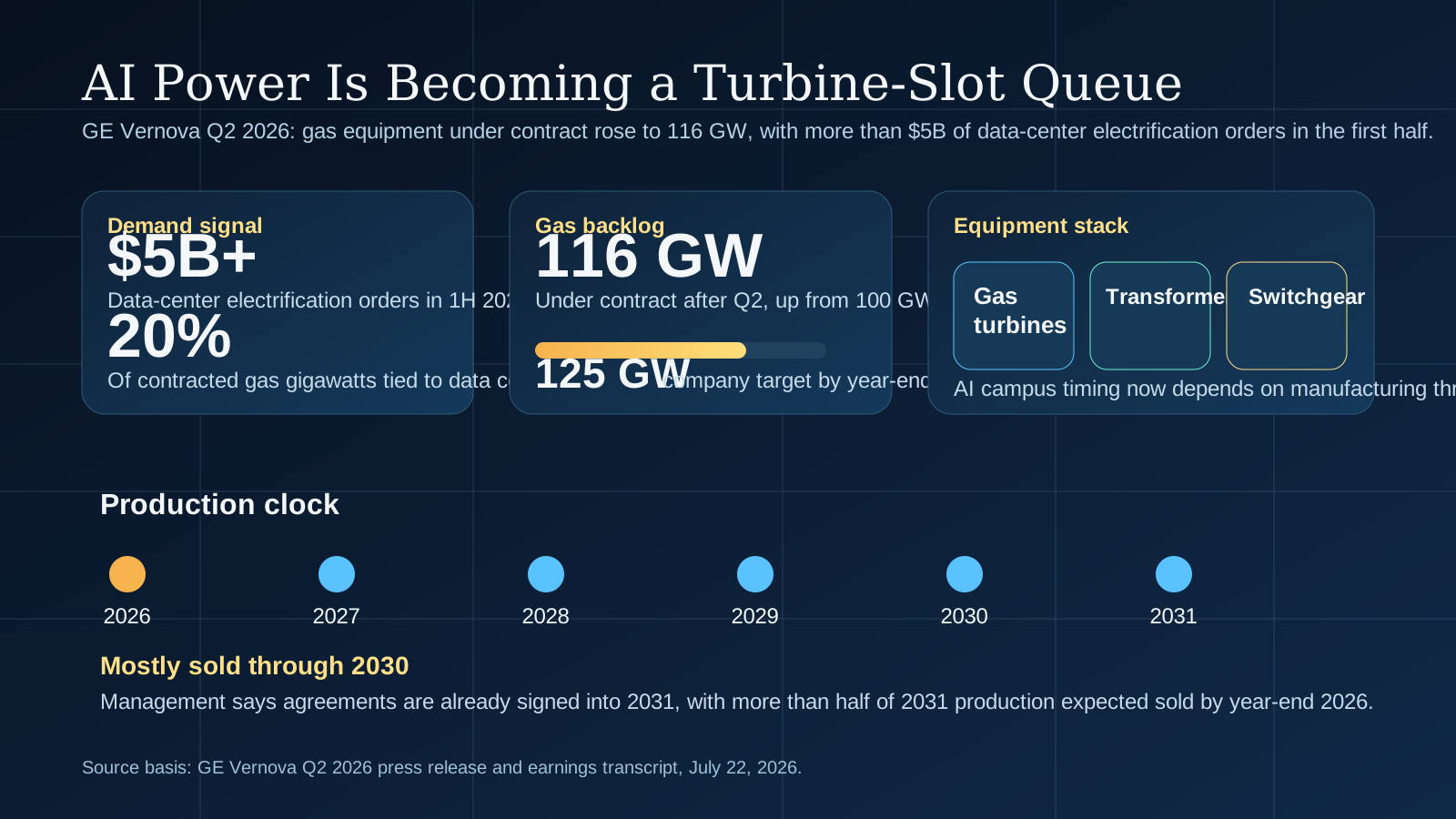
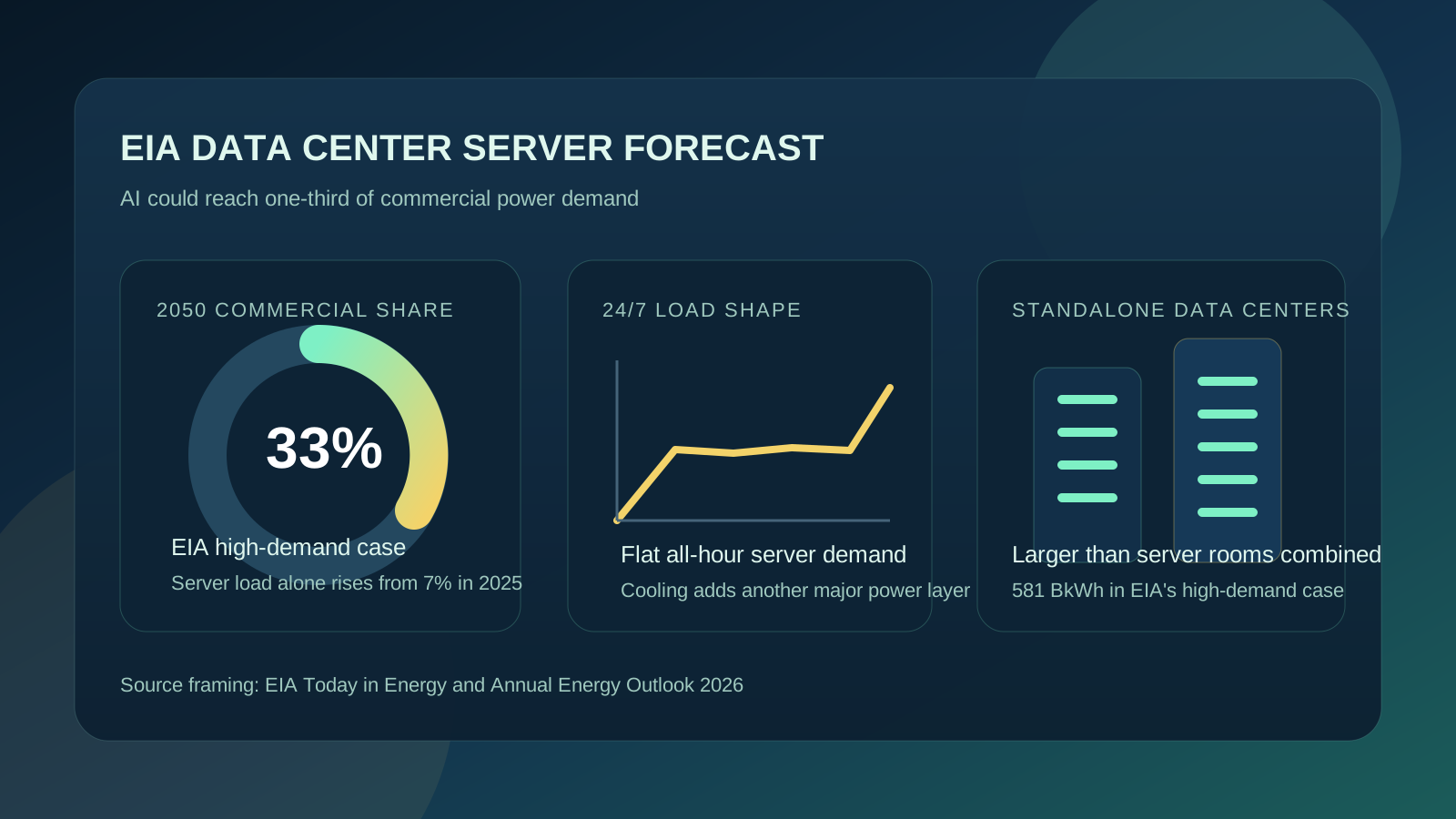
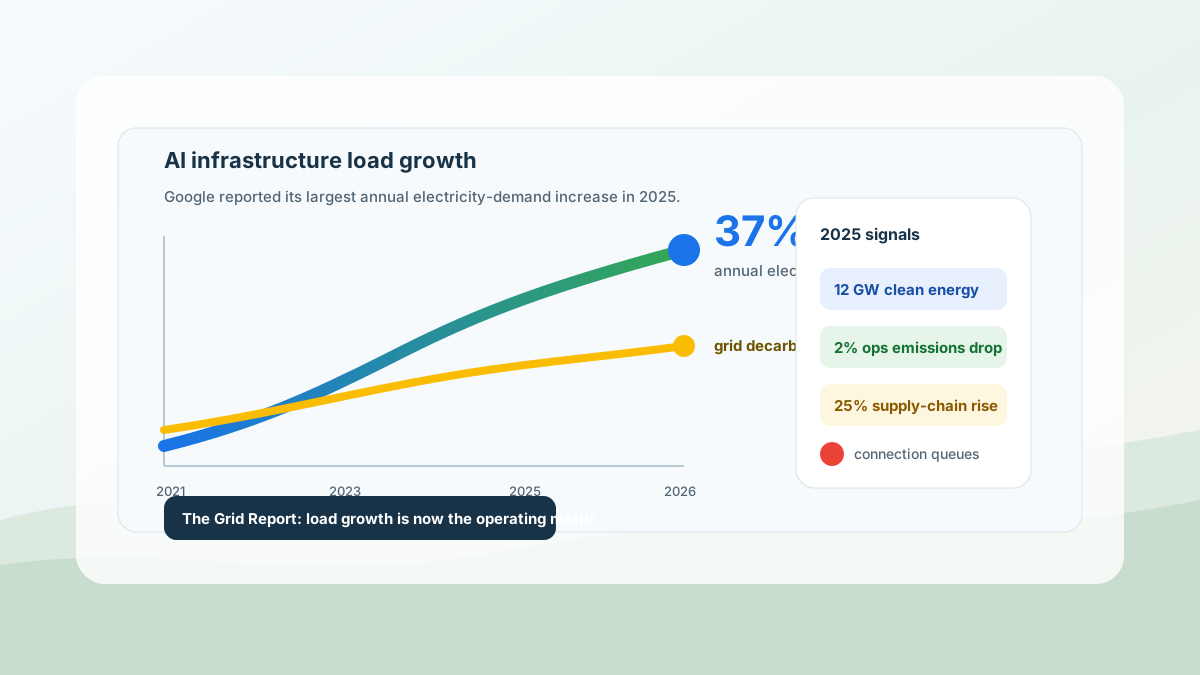
The strongest AI electricity story is no longer one scary demand estimate. It is the spread between scenarios. IEA says global data center electricity use could nearly double by 2030, while EIA expects U.S. power demand to keep rising as large computing facilities expand. The operating question is which projects become real load, where they land, and whether the grid can stage capacity fast enough.

By Nawaz Lalani
Weekly data feature
Read more
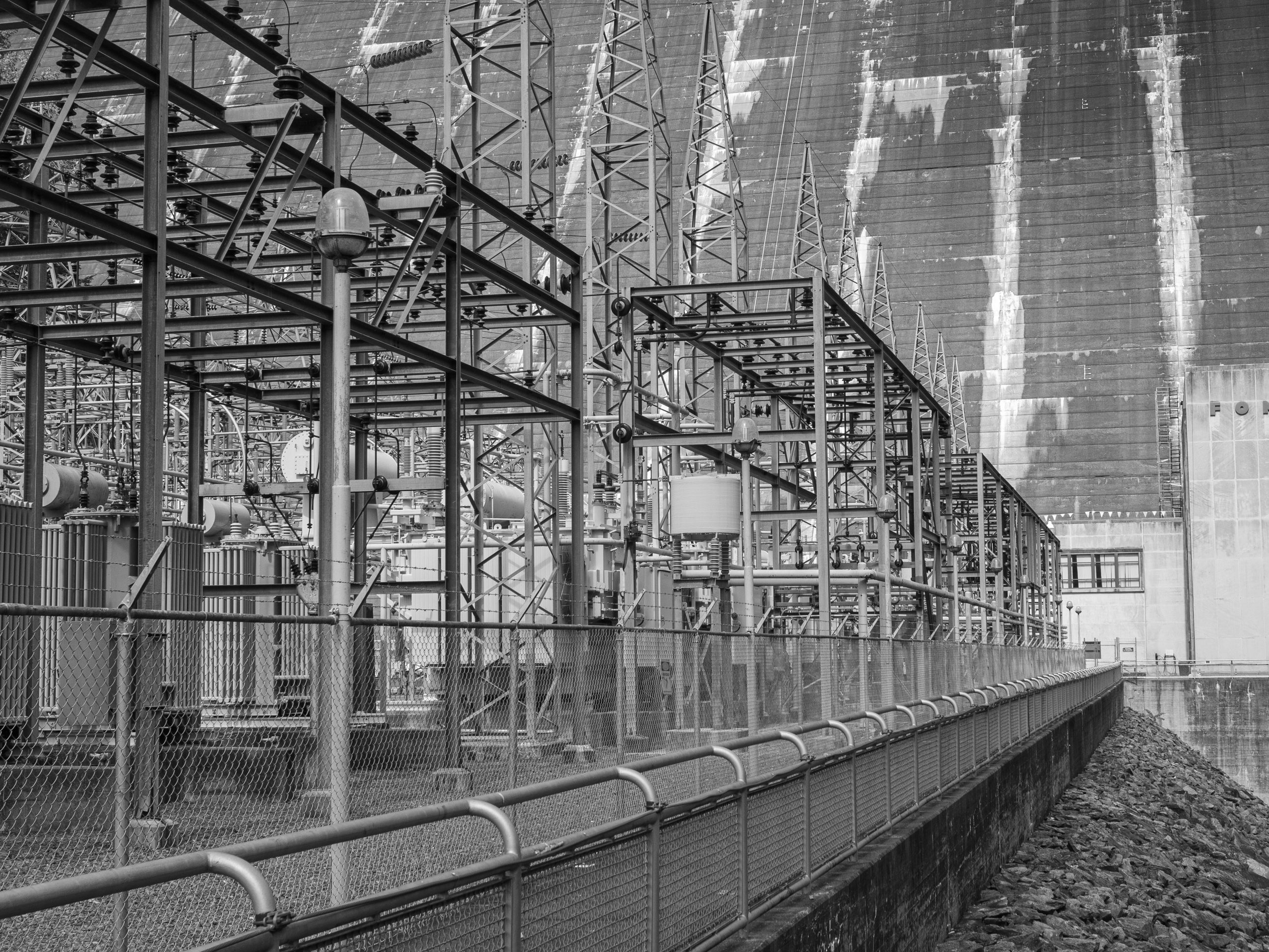
Energy GridElectric substation and transmission towers representing utility grid planning
Energy GridMay 7, 20266 min read

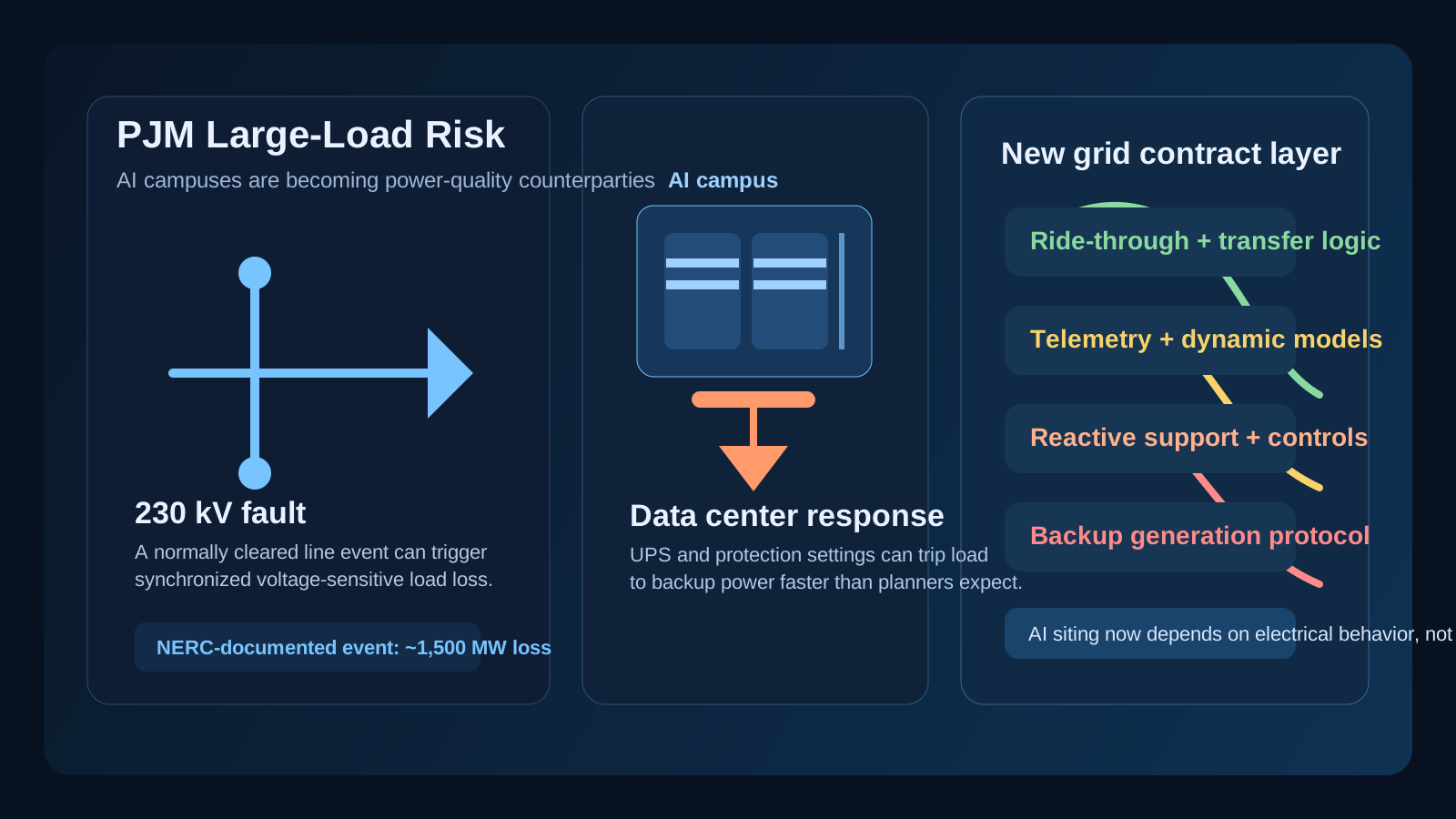
Utilities Need an AI Load Playbook, Not Just More Optimism

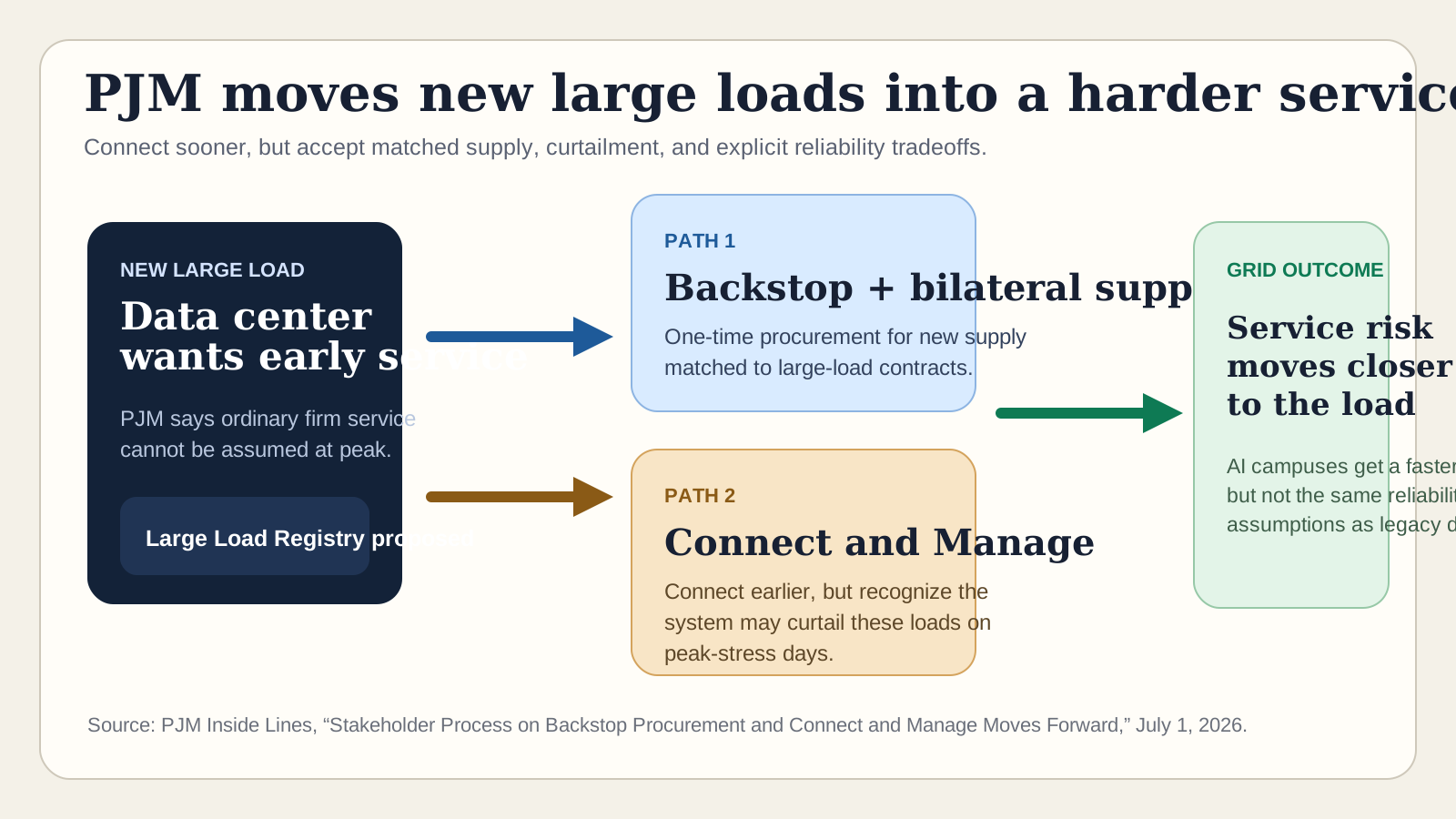
The AI power story is moving faster than many utility planning processes were built for. The hard part is no longer acknowledging demand growth. It is building a playbook for interconnection, load timing, reliability, and who gets prioritized when capacity tightens.

By Nawaz Lalani
Energy-grid analysis
Read more