- Oil prices are moving sharply because the market is trying to price two different futures at the same time.
- That is why the recent OPEC+ decision looks strange at first glance.
- The result is a market that feels structurally unstable rather than directionally settled.
- Section
- Markets
- Read time
- 5 min read
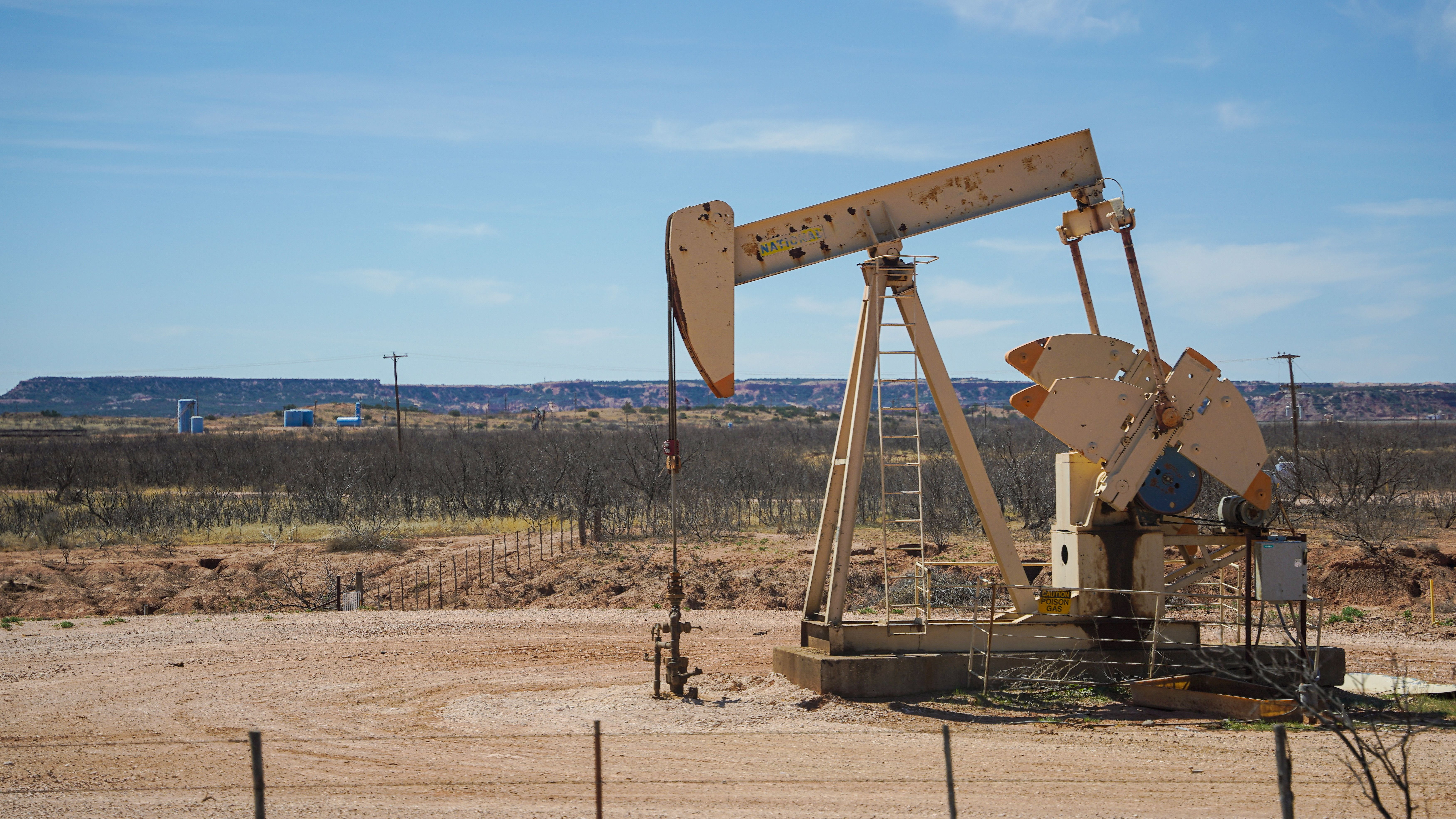
Oil prices are moving sharply because the market is trying to price two different futures at the same time. On one side, traders are worried that tariffs, slower trade, and weaker growth could hit demand. On the other, they are staring at a much more immediate supply-risk story tied to Middle East tension, shipping routes, and the possibility that physical barrels become harder to move than the market expected.
That is why the recent OPEC+ decision looks strange at first glance. A slower-growth backdrop would normally argue for caution, yet the producer group accelerated planned output increases instead of waiting. Part of the logic appears strategic: defend market share, pressure weak compliance inside the group, and avoid looking too passive while political pressure for lower oil prices grows. The move also preserves flexibility because OPEC+ can still pause or reverse later if conditions worsen.
Oil is being driven by recession fear and supply-shock fear at the same time, which is why the move feels unstable rather than cleanly bullish.
The result is a market that feels structurally unstable rather than directionally settled. Banks and market watchers are cutting demand-growth expectations in one breath while also warning that a supply disruption could overpower those bearish assumptions in the next. That makes oil less of a simple demand story and more of a geopolitical risk asset again.
For readers trying to understand what matters now, the key point is that oil is not just reacting to one headline. It is reacting to recession fears, tariff escalation, producer strategy, and the possibility of a shipping or regional supply shock all at once. When those forces collide, price volatility becomes the real story.
That volatility matters well beyond crude itself. Higher oil can feed into fuel costs, inflation anxiety, and broader market stress, while a sudden reversal would say a lot about whether traders fear recession more than disruption. Either way, oil is back to being one of the clearest windows into how politics, trade, and physical energy risk are colliding in real time.
By Nawaz Lalani
The Grid Report is written by Nawaz Lalani and focuses on source-backed coverage of AI infrastructure, grid power demand, automation systems, and market signals.
Follow the signal, not just the headline.
Get the daily Grid brief for source-backed coverage on AI power demand, infrastructure timing, automation, and market signals.