- EIA’s June 12 SunZia item is worth publishing because the useful signal is not the superlative that the project is now the largest wind farm in the United States.
- The primary-source numbers are unusually clear.
- That pairing is the real thesis.
- Section
- Energy
- Read time
- 4 min read
- Data included
- SunZia resets U.S. wind-farm scale
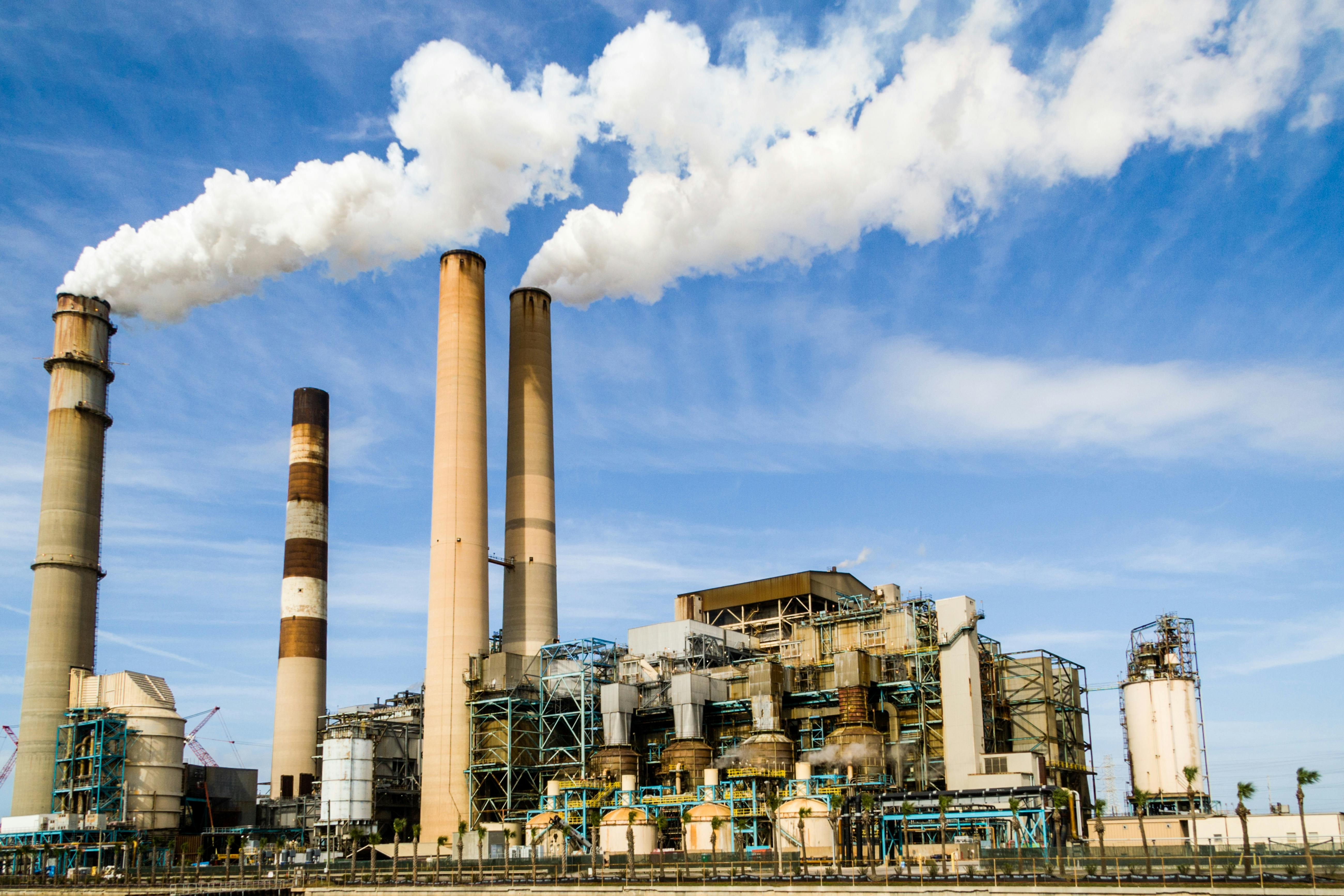
SunZia resets U.S. wind-farm scale
EIA’s June 12 comparison shows how far SunZia jumps ahead of the previous largest U.S. wind projects.
Net summer generating capacity comparison
| Project | Net summer capacity | Grid significance |
|---|---|---|
| SunZia | 3,650 MW | Backed by a 550-mile HVDC line into Arizona and Southern California |
| Alta Wind | 1,098 MW | Large California wind benchmark in EIA comparison |
| Great Prairie | 1,027 MW | Large Texas wind benchmark in EIA comparison |
Source: U.S. Energy Information Administration, “Largest wind farm in the United States starts commercial operations,” June 12, 2026.
EIA’s June 12 SunZia item is worth publishing because the useful signal is not the superlative that the project is now the largest wind farm in the United States. The stronger signal is that scale only became real after delivery infrastructure was ready. SunZia is a transmission story disguised as a wind story, and that is the more important read-through for Grid Report readers watching how new generation actually reaches constrained load pockets.
The primary-source numbers are unusually clear. EIA said the SunZia Wind Project has begun commercial operations with 3,650 megawatts of net summer generating capacity and 916 turbines. It also said SunZia is more than three times larger than the next two biggest U.S. wind farms, Alta Wind in Southern California at 1,098 megawatts and Great Prairie in northern Texas at 1,027 megawatts. That size matters, but only because the project was paired with transmission built to carry the output where demand sits.
SunZia is a transmission story disguised as a wind story: generation scale only becomes real once the delivery path is already built.
That pairing is the real thesis. EIA said Pattern Energy built the companion SunZia Transmission Project as a 550-mile high-voltage direct-current line from central New Mexico into south-central Arizona. Pattern’s own project page describes the line as a 550-plus-mile, plus-or-minus 525-kilovolt HVDC system, and New Mexico RETA says the transmission asset entered commercial operation in May 2026. In other words, this was not just a generation project waiting around for future wire. The wire is part of the event.
The geographic consequence is what makes the story stronger than a renewable-capacity milestone. EIA said most of the electricity will be exported to Arizona and Southern California, and that 2,131 megawatts of the line’s 3,021-megawatt transfer capacity will be delivered and consumed in Southern California via Palo Verde. That turns SunZia into a concrete example of how remote generation becomes useful only when transmission can convert resource-rich geography into load-serving capacity.
The state-level change is large enough to matter on its own. EIA said New Mexico had 3,997 megawatts of net summer wind capacity before SunZia. With SunZia online, that total rises to 7,647 megawatts, and wind becomes 45% of the state capacity mix. For Western operators, the implication is that one project can materially change both a state resource stack and the export posture of the broader region when transmission is solved at the same time.
The operating signal is already visible. EIA said CAISO reported 7,122 megawatts of hourly wind generation on May 15, 2026, which was 20% above the previous annual record of 5,922 megawatts set in 2024. That does not mean SunZia alone created the record. It does mean the West is already seeing what larger delivered wind volumes look like once this corridor starts contributing to the grid during real operating conditions.
This clears the duplicate bar against the site’s recent CAISO, NPCC, and large-load coverage because the thesis is different. CAISO’s transmission-plan story was about forward capex and load preparation. NPCC’s seasonal outlook was about completed transmission reinforcing reliability before large-load growth accelerates. SunZia is different because it is a live proof point that generation scale, regional transfer capability, and end-market delivery have to show up together before megawatts become useful.
For AI-era power planning, the read-through is straightforward. The grid does not benefit from nameplate capacity in the abstract. It benefits when generation, transfer paths, substations, and market sinks line up on time. SunZia is a renewable example, but the underlying lesson applies more broadly to gas, nuclear, storage, and data-center-linked power strategies: power that cannot move is not the same thing as power that can serve demand.
The search case is strong because the article answers a live question better than a commodity project recap: why does SunZia matter beyond being the largest U.S. wind farm? Readers searching for SunZia commercial operations, SunZia transmission line, or the biggest U.S. wind project get a delivery-and-grid thesis rather than a bare size ranking.
Sources
U.S. Energy Information Administration, “Largest wind farm in the United States starts commercial operations,” published June 12, 2026: https://www.eia.gov/todayinenergy/detail.php?id=67766
Pattern Energy, “SunZia Wind and Transmission,” accessed June 12, 2026: https://patternenergy.com/projects/sunzia/
New Mexico Renewable Energy Transmission Authority, “SunZia Transmission Project,” accessed June 12, 2026: https://nmreta.com/sunzia-transmission-project/
U.S. Energy Information Administration, “Hourly Electric Grid Monitor: CAISO,” accessed June 12, 2026: https://www.eia.gov/electricity/gridmonitor/dashboard/electric_overview/balancing_authority/CISO
By Nawaz Lalani
The Grid Report is written by Nawaz Lalani and focuses on source-backed coverage of AI infrastructure, grid power demand, automation systems, and market signals.
Follow the signal, not just the headline.
Get the daily Grid brief for source-backed coverage on AI power demand, infrastructure timing, automation, and market signals.