- AI governance often gets discussed as if it lives outside the product.
- When AI touches vehicles, machines, warehouses, robotics fleets, industrial inspection, or public infrastructure, governance is no longer a separate conversation.
- That changes how companies should think about deployment.
- Section
- AI Automation
- Read time
- 6 min read
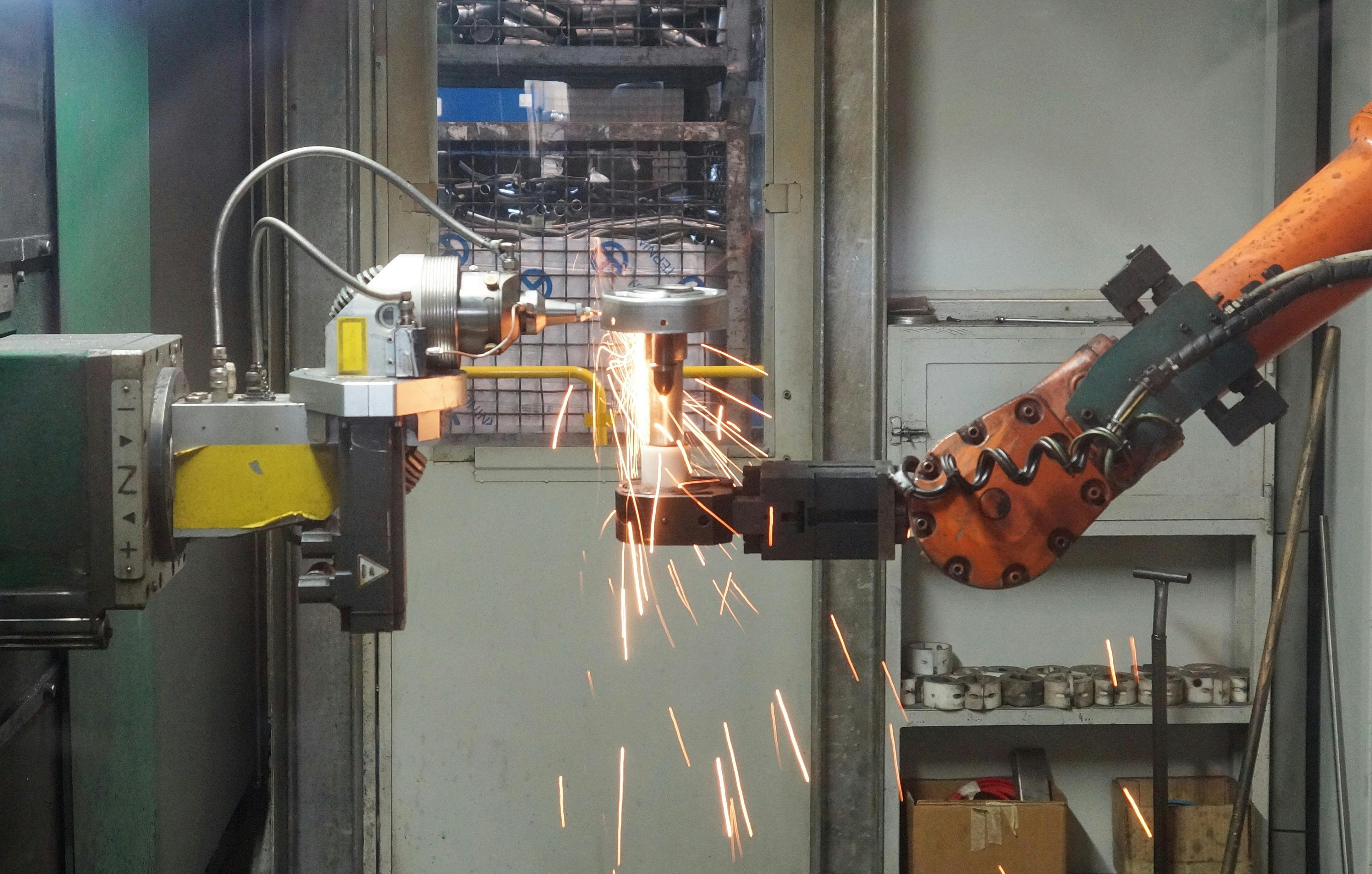
AI governance often gets discussed as if it lives outside the product. Reports are written, principles are announced, and oversight language is attached after the fact. That model becomes less credible once AI starts acting through physical systems.
When AI touches vehicles, machines, warehouses, robotics fleets, industrial inspection, or public infrastructure, governance is no longer a separate conversation. It has to be built into permissions, fallback behavior, human override paths, sensor confidence thresholds, and incident response. The product itself becomes the governance surface.
In physical AI, governance stops being policy theater and becomes part of the product itself.
That changes how companies should think about deployment. The right question is not just whether a model performs well in testing. It is whether the surrounding system knows when to slow down, escalate, defer, or hand control back to a person. Physical AI turns governance into an interface and operations problem.
This also raises a harder commercial reality. Building serious physical AI is not only about smarter models. It is about reliability, systems engineering, auditability, and clear responsibility boundaries. That can feel slower than consumer AI iteration, but the tradeoff is unavoidable when mistakes have physical consequences.
The companies that understand this early will be in a better position than those still treating governance like a slide in the appendix. In the physical world, control logic is product logic.
By Nawaz Lalani
The Grid Report is written by Nawaz Lalani and focuses on source-backed coverage of AI infrastructure, grid power demand, automation systems, and market signals.
Follow the signal, not just the headline.
Get the daily Grid brief for source-backed coverage on AI power demand, infrastructure timing, automation, and market signals.