- The AI infrastructure conversation often jumps quickly to GPUs, interconnects, and power delivery, but storage density is becoming a more important story than it first appears.
- That matters because AI storage is not only a capacity problem.
- This is why recent storage-platform announcements are worth reading as infrastructure signals, not just component news.
- Section
- Infrastructure
- Read time
- 6 min read
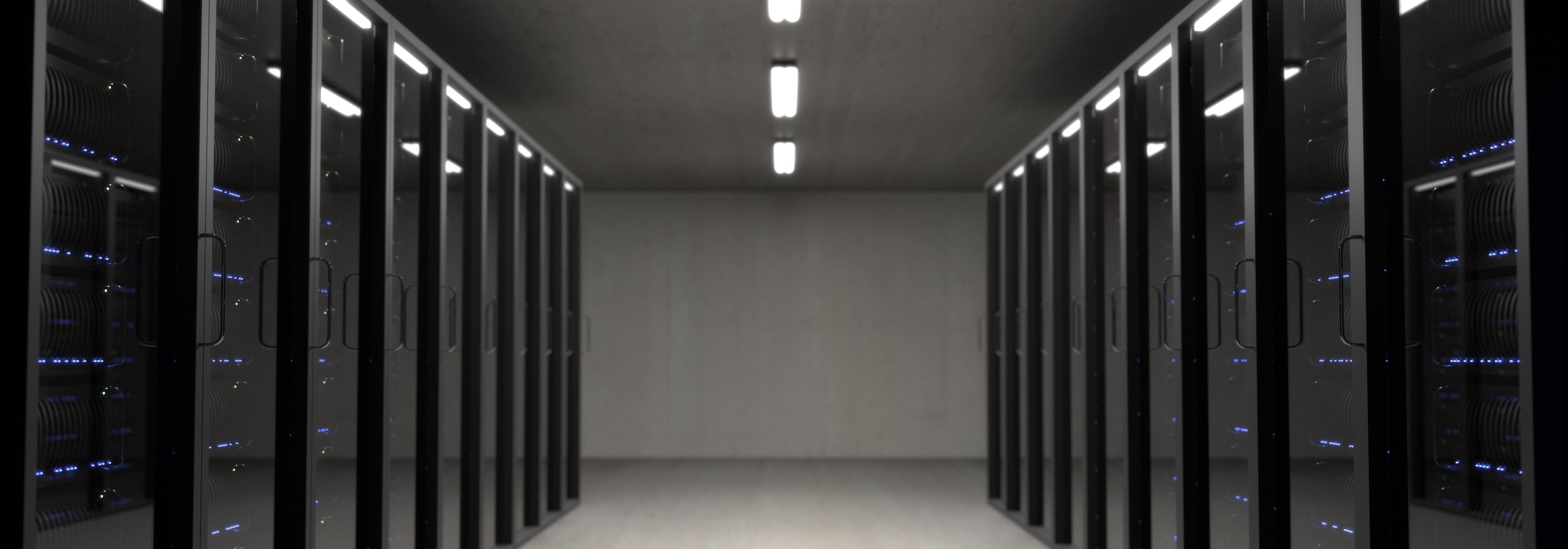
The AI infrastructure conversation often jumps quickly to GPUs, interconnects, and power delivery, but storage density is becoming a more important story than it first appears. As newer high-capacity SSD platforms arrive, the conversation is shifting away from simple “how many petabytes can we fit” marketing and toward what that density means for rack power, thermal design, and surrounding infrastructure.
That matters because AI storage is not only a capacity problem. Large model training, retrieval systems, multimodal pipelines, and enterprise data platforms all increase the amount of information that has to stay close enough to compute to be useful. Denser storage can improve economics, but it also changes how operators think about heat, serviceability, rack balance, and the real cost of packing more into the same physical footprint.
In AI infrastructure, storage density is only useful if the surrounding rack, power, and cooling design can carry it.
This is why recent storage-platform announcements are worth reading as infrastructure signals, not just component news. Higher density in one layer often pushes tradeoffs into another. A better storage box can save floor space or simplify deployment, but it can also intensify the local power and cooling challenge if the surrounding design was not built for it.
The deeper point is that AI infrastructure keeps turning supposedly secondary systems into first-order constraints. Storage is one of those examples. Once workloads scale, the shape of the rack begins to matter as much as the spec sheet. Capacity, throughput, power draw, and thermal behavior all become part of one operating equation.
That is why storage should be covered as an infrastructure question, not just a hardware SKU story. In AI, denser systems are valuable only if the rest of the rack and facility can support what that density demands.
By Nawaz Lalani
The Grid Report is written by Nawaz Lalani and focuses on source-backed coverage of AI infrastructure, grid power demand, automation systems, and market signals.
Follow the signal, not just the headline.
Get the daily Grid brief for source-backed coverage on AI power demand, infrastructure timing, automation, and market signals.