- Google’s June 15 Alabama announcement is worth publishing because the useful signal is not the $1.5 billion expansion number by itself.
- The primary-source facts are specific.
- That combination is what clears the bar.
- Section
- Infrastructure
- Read time
- 4 min read
- Why this page exists
- The Grid Report publishes operator-grade coverage on AI, power, infrastructure, automation, and markets.
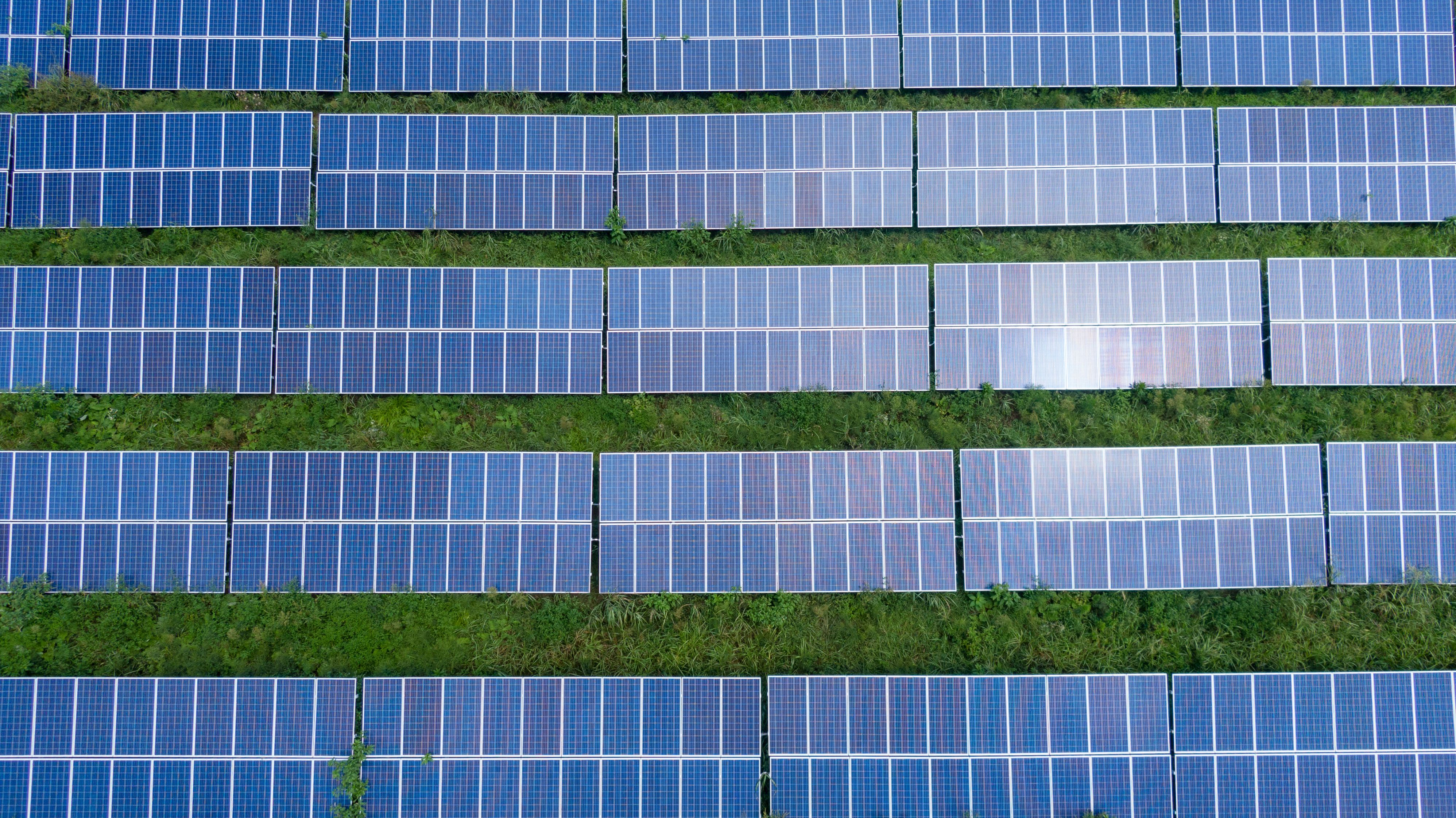
Google’s June 15 Alabama announcement is worth publishing because the useful signal is not the $1.5 billion expansion number by itself. The stronger signal is that a hyperscaler is now describing a much more explicit local bargain for AI infrastructure growth: fund the load-serving assets directly, help the grid operate around the campus, and spend real money reducing household energy pressure in the host community.
The primary-source facts are specific. Google said it will invest $1.5 billion across 2026 and 2027 to expand its Jackson County data-center campus. In the company’s accompanying release, Google said it will pay for 100% of the power it uses and cover the infrastructure costs directly driven by its operations. Google also announced a $2 million Energy Impact Fund with TVA and the Community Action Agency of Northeast Alabama to support weatherization and energy-efficiency work for local schools and income-qualified households.
Google’s Alabama expansion matters because it makes the local AI-infrastructure bargain explicit: fund your own load, help the grid, and offset community bill pressure.
That combination is what clears the bar. The site already has recent stories on Microsoft’s Nevada tariff, DOE and SB Energy in Ohio, and Texas bring-your-own-infrastructure rules. Alabama is different. This is not mainly a tariff design, a federal-land package, or a state directive. It is a hyperscaler trying to formalize social license at the project level by combining self-funding, flexible operations, and direct community bill relief in one public expansion announcement.
The TVA detail matters because it makes the story more operational than philanthropic. In the Alabama release, Google says it acts as a flexible partner to TVA, using data-center demand response to reduce power use during peak-demand periods and support grid stability during extreme weather. That means the campus is being presented not only as a new load, but as a load willing to behave in a more system-aware way when grid conditions tighten.
The site history matters too. Google says the campus sits on the retired Widows Creek coal-plant site and repurposes existing electric lines and other infrastructure. That is useful because it shows the next data-center siting edge is not just land and tax incentives. It is the ability to reuse retired industrial grid assets, lower local friction, and explain why a very large load should be politically acceptable in a rate-sensitive region.
For operators, the read-through is that “power ready” is becoming inseparable from “community ready.” A campus that can show direct cost responsibility, flexible demand behavior, and visible household benefits will likely face a smoother path than one that arrives asking regulators and local residents to trust future benefits later. For investors, the implication is that data-center growth is starting to require more than capital and megawatts. It increasingly requires a credible public bargain around who pays, who benefits, and how the project behaves when the grid is stressed.
The search case is strong because readers looking for the Alabama expansion need more than a generic Google data-center recap. The more useful answer is that Google is testing a clearer social-license template for AI infrastructure: self-funded power, flexible load participation, and direct affordability offsets for the surrounding community.
Sources
Google, “We’re strengthening our presence in Alabama through new investments and community support,” published June 15, 2026: https://blog.google/innovation-and-ai/infrastructure-and-cloud/global-network/alabama-investment-june-2026/
Google, “Google Strengthens Alabama Presence With New Data Center Investment, Community Initiatives,” published June 15, 2026: https://storage.googleapis.com/gweb-uniblog-publish-prod/documents/Google_Strengthens_Alabama_Presence.pdf
Nawaz Lalani
Nawaz Lalani is the creator of The Grid Report and writes about AI infrastructure, grid power demand, automation systems, and the market signals shaping the physical AI economy. His focus is translating technical and industrial shifts into practical coverage for operators, investors, builders, and teams making real deployment decisions.
B.S. in Geology from UT Arlington. Covers AI infrastructure, energy systems, grid constraints, automation workflows, and market signals.
Stories are built from primary sources, utility and infrastructure signals, company disclosures, filings, and operator-grade context. The goal is to explain what changed, why it matters now, and what it means for builders, investors, utilities, and teams making real deployment decisions.
Follow the lane, not just the headline.
The strongest value in The Grid Report comes from following how AI, infrastructure, power, automation, and markets connect over time.