- One of the most useful policy signals in AI infrastructure this month is not a flashy model launch or another giant megawatt announcement.
- The Permitting Council's April 2 announcement is specific enough to matter.
- The project-page details make the angle stronger.
- Section
- Policy
- Read time
- 6 min read
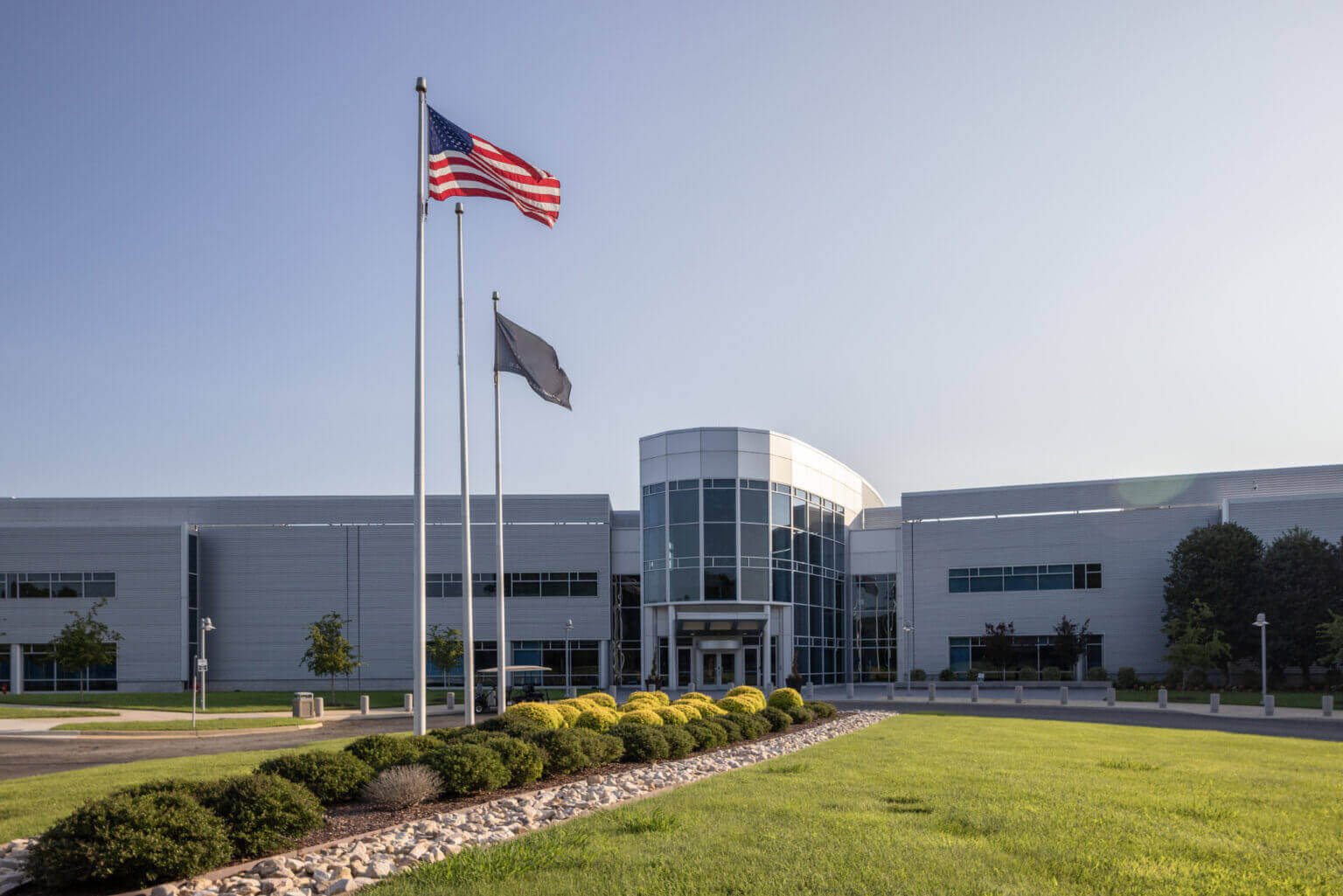
One of the most useful policy signals in AI infrastructure this month is not a flashy model launch or another giant megawatt announcement. It is QTS Richmond Technology Park Data Center 5 becoming the first data center ever to gain FAST-41 coverage. That matters because it suggests federal permitting is starting to move from a hidden project risk into an explicit competitive advantage for developers that know how to use it.
The Permitting Council's April 2 announcement is specific enough to matter. It said QTS Richmond Technology Park Data Center 5 is the first FAST-41 project in the data storage and data management sector, aligning the project with the federal push to accelerate permitting for data-center infrastructure. The council also said the U.S. Army Corps of Engineers will serve as the federal permitting lead. That is not just symbolism. It means the project now sits inside a framework built around timetable discipline, interagency coordination, and public visibility into federal review steps.
FAST-41 matters because it turns permitting from a buried project risk into part of the data-center deployment advantage.
The project-page details make the angle stronger. The Federal Permitting Dashboard says the posting date was April 1, 2026 and describes the project as an expansion seeking authorization for a data center building, associated utilities, roads, parking, and stormwater facilities near Richmond, Virginia. QTS says construction would begin by January 2028 once permitting is complete. In other words, this is not an abstract Washington policy memo. It is a real campus expansion being routed through a federal process that can change schedule confidence for a live data-center build.
That is why this clears the bar for The Grid Report. The site has already covered interconnection clocks, air permits, who pays for upgrades, and PJM's market redesign. This story is different. It is about permitting itself becoming part of the deployment moat. When a large campus can put federal review onto a formal dashboard with a lead agency and a transparent process, the value is not only faster paperwork. The value is better project underwriting, better customer confidence, and a clearer path for counterparties deciding where capacity is actually credible.
The dashboard description also shows why federal involvement enters the picture. QTS is seeking U.S. Army Corps authorization tied to wetland and related site impacts as it expands the Richmond campus. That is a useful reminder that the next AI bottleneck is not only power procurement or substation timing. In many projects, the gating issue is whether the physical site can move through environmental review and federal authorization without turning a planned campus into a multi-year scheduling problem.
For operators, the practical takeaway is that site selection now needs a permitting thesis alongside a power thesis. The right question is no longer only whether a region has land, fiber, and utility appetite. It is whether the project sponsor can navigate federal and state approvals with enough transparency to make delivery timing believable. For investors, the signal is that data-center developers with repeatable permitting playbooks may deserve a premium over peers still treating approval risk as a soft assumption buried in the model.
The Grid Report view is that QTS's FAST-41 milestone is publishable because it gives a sharp, search-worthy hook for a broader shift: federal permitting is becoming part of the AI infrastructure product. In the next phase of the buildout, the winners may not simply be the companies that can announce the most megawatts. They may be the ones that can convert permits, environmental review, and agency coordination into bankable delivery dates.
Sources
Permitting Council, “First Data Center Project Gains Permitting Council’s FAST-41 Coverage,” April 2, 2026: https://www.permitting.gov/newsroom/press-releases/first-data-center-project-gains-permitting-councils-fast-41-coverage
Federal Permitting Dashboard, “QTS Richmond Technology Park Data Center 5 (RIC5),” accessed May 20, 2026: https://www.permits.performance.gov/permitting-project/fast-41-covered-projects/qts-richmond-technology-park-data-center-5-ric5
Federal Permitting Dashboard, “FAST-41 Covered Projects Postings by Agencies for QTS Richmond Technology Park Data Center 5 (RIC5),” accessed May 20, 2026: https://www.permits.performance.gov/fast-41-covered-projects-postings-agencies-qts-richmond-technology-park-data-center-5-ric5
By Nawaz Lalani
The Grid Report is written by Nawaz Lalani and focuses on source-backed coverage of AI infrastructure, grid power demand, automation systems, and market signals.
Follow the signal, not just the headline.
Get the daily Grid brief for source-backed coverage on AI power demand, infrastructure timing, automation, and market signals.