- One of the more useful market signals for AI infrastructure this week is not another megawatt announcement.
- EIA's May 20 analysis is specific enough to matter.
- The useful angle is not that coal suddenly becomes the long-term winner.
- Section
- Markets
- Read time
- 6 min read
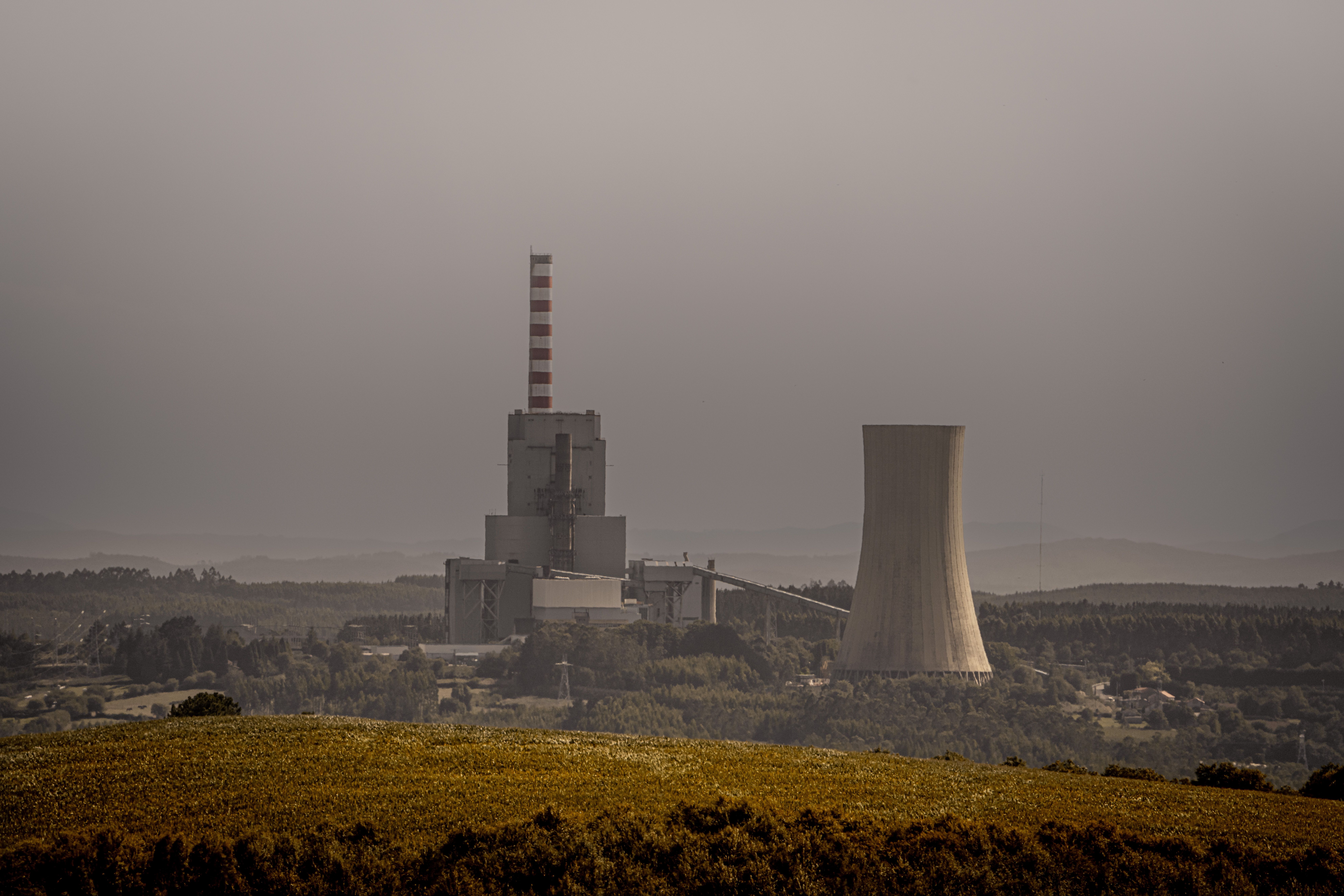
One of the more useful market signals for AI infrastructure this week is not another megawatt announcement. It is the Energy Information Administration showing that coal remained economically competitive for power generation in MISO through the first four months of 2026. That matters because it says the central U.S. power story for AI is not just about how much capacity gets built. It is also about which fuel is actually setting marginal economics when the system gets tight.
EIA's May 20 analysis is specific enough to matter. It said coal dark spreads in MISO outpaced natural-gas spark spreads in early 2026, and that the difference between the two profitability indicators hit $530 per megawatthour during Winter Storm Fern in January. EIA also said average MISO electricity prices rose 44% from 2024 to 2025, while coal prices rose only 3%. Natural gas prices, by contrast, rose 63% over the same period, limiting the spark-spread improvement for gas-fired generation.
In the central U.S., AI siting is becoming a fuel-economics story because weather stress can still make coal more competitive than gas at the margin.
The useful angle is not that coal suddenly becomes the long-term winner. It is that short- and medium-term AI load is landing in a market where fuel optionality, weather stress, and commodity price behavior still matter a lot. During Winter Storm Fern, EIA said daily average MISO power prices exceeded $260 per megawatthour from January 26 through January 28 even though electricity demand during those six days was 11% lower than during the comparable weekday stretch before the storm. The driver was not runaway load on its own. It was gas-price volatility. Coal's delivered-cost structure moved much less.
That clears the bar for The Grid Report because it is materially different from the site's recent server-load, ERCOT flexibility, and utility-finance pieces. Those stories were about how much AI power the system may need and where load growth is showing up. This one is about the generation-economics layer underneath that buildout. If central U.S. data-center demand keeps rising into a market where coal can still outperform gas during stress events, the real planning question is not just where to get megawatts. It is what fuel stack is shaping the delivered economics and political risk around those megawatts.
For operators, the takeaway is that MISO siting diligence needs a fuel-market view alongside the usual interconnection and tariff work. A campus can look attractive on land, fiber, and utility posture but still face a more complicated public-cost and emissions narrative if the surrounding system leans on coal economics more often than the market expected. For utilities, the implication is that large-load underwriting cannot assume gas is always the clean marginal answer when price spikes or winter constraints hit. For investors, the signal is that AI-linked power winners in the Midwest may be tied as much to commodity resilience and dispatchable generation economics as to headline load forecasts.
There is also a political consequence. The more AI load clusters in regions where coal remains economically useful in tight conditions, the harder it becomes to tell a simple story about data-center demand being absorbed by an already-cleaning grid. In practice, the next debate may be less about whether AI raises electricity demand and more about which fuel mix gets paid to serve it during the hours that matter most.
The Grid Report view is that EIA's MISO fuel-spread update is publishable because it gives a timely, search-worthy hook for a sharper thesis: AI siting in the central United States is becoming a fuel-economics decision, not just a land-and-power decision. In the next phase of the buildout, the operators and investors who understand dark spreads, spark spreads, and weather-driven fuel stress will have a better read on where capacity is truly advantaged.
Sources
U.S. Energy Information Administration, “Coal remains competitive for power generation in the central United States,” May 20, 2026: https://www.eia.gov/todayinenergy/detail.php?id=67705
U.S. Energy Information Administration, “Wholesale Electricity Market Data,” accessed May 20, 2026: https://www.eia.gov/electricity/wholesalemarkets/
By Nawaz Lalani
The Grid Report is written by Nawaz Lalani and focuses on source-backed coverage of AI infrastructure, grid power demand, automation systems, and market signals.
Follow the signal, not just the headline.
Get the daily Grid brief for source-backed coverage on AI power demand, infrastructure timing, automation, and market signals.