- The most useful new power signal is not another giant load forecast or tariff filing.
- That matters because it changes the role these facilities play in the power story.
- The timing gives the announcement more weight than a procedural policy note.
- Section
- Energy
- Read time
- 7 min read
- Data included
- The backup-generation order makes hidden capacity part of the operating conversation
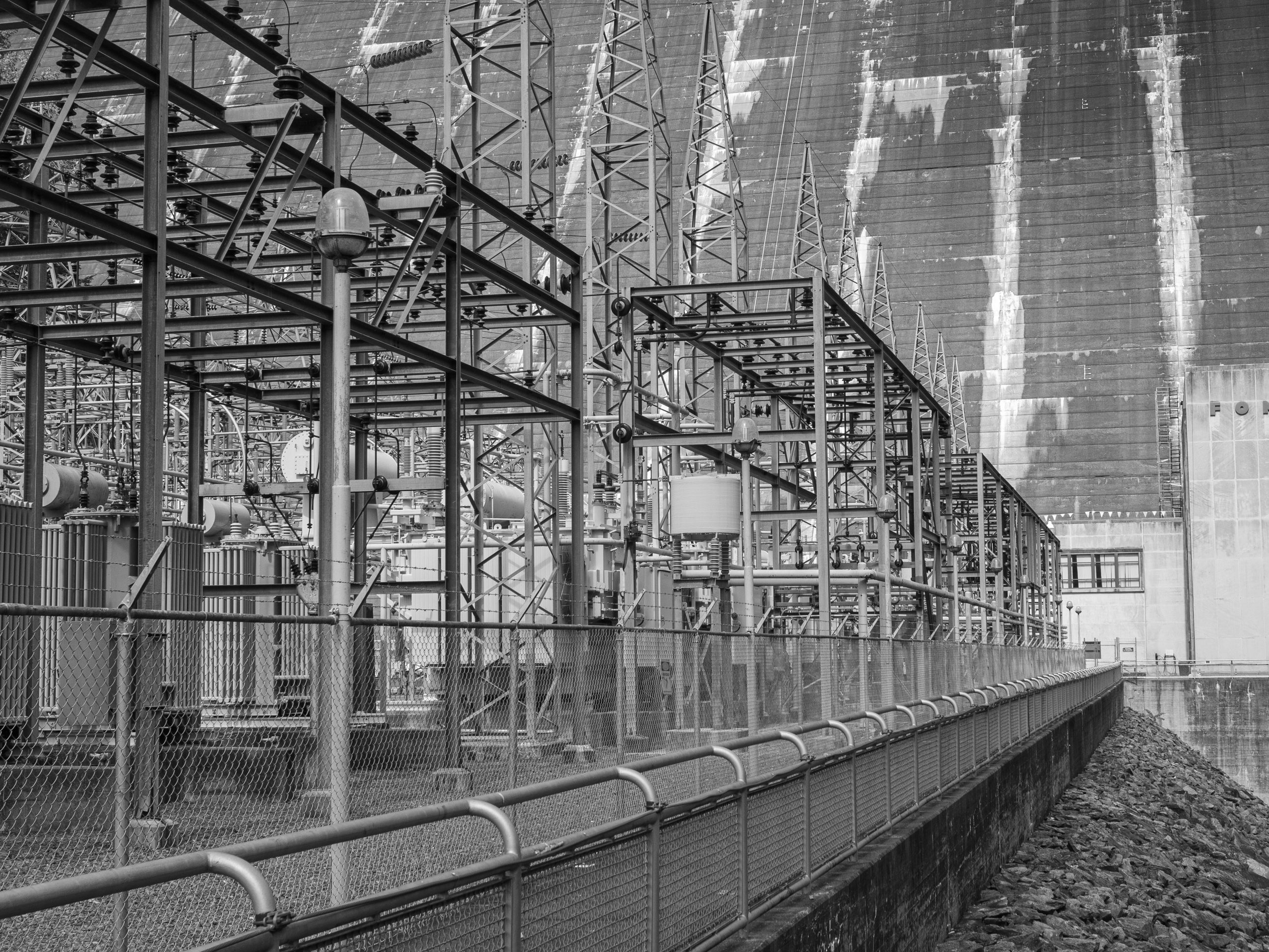
The backup-generation order makes hidden capacity part of the operating conversation
The key shift is not just emergency rhetoric. DOE and PJM are treating backup generation behind major facilities as capacity that may matter during real stress events.
Why the May 18 order is more than a policy footnote
| Signal | What happened | Why it matters |
|---|---|---|
| DOE emergency order | PJM can deploy backup generation at data centers and other major facilities. | Large-load sites are being treated as potential operating resources during stress, not just as passive demand. |
| PJM emergency posting | Maximum Generation Emergency and EEA1 were active for May 19, 2026. | The authority is being used in live reliability conditions rather than in a theoretical planning exercise. |
| January precedent | DOE previously authorized PJM to direct backup generation at data centers and large loads during Winter Storm Fern. | This is starting to look like a recurring policy tool, not a one-off exception. |
| Operator burden | Backup fleets may need stronger fuel, maintenance, telemetry, and dispatch readiness. | Power-ready data-center strategy increasingly includes proving emergency-operating usefulness, not just private uptime. |
Source: DOE May 18 release, PJM emergency posting 105100, and DOE 202(c) order archive cited in the article.
The most useful new power signal is not another giant load forecast or tariff filing. It is the U.S. Department of Energy deciding that backup generation at data centers and other major facilities can be part of the Mid-Atlantic grid's live emergency tool kit. On May 18, DOE issued an emergency order authorizing PJM to deploy backup generation resources at data centers and other major facilities to help mitigate blackout risk during a heatwave and concurrent transmission and generation outages tied to seasonal maintenance.
That matters because it changes the role these facilities play in the power story. Data centers are usually discussed as large loads that strain substations, transmission, capacity markets, and utility planning. DOE's order makes a different point. In stressed conditions, some of those same sites also hold generation behind the meter that grid operators may want to call on. The AI infrastructure story is starting to look less like one-way consumption and more like a question of which large loads can behave as controlled reliability resources when the system tightens.
The important shift is that backup generation behind major compute sites is being treated as callable grid support, not just private insurance.
The timing gives the announcement more weight than a procedural policy note. PJM's emergency-postings system showed a Maximum Generation Emergency and an Energy Emergency Alert 1 in effect for May 19, 2026, after an alert had already been issued for May 18. In other words, the order is not floating above the market as a hypothetical authority. It is landing during actual operating stress, with PJM already pulling emergency levers to preserve reserves and manage conditions across the region.
DOE's own language sharpens the scale question. The department said more than 35 gigawatts of unused backup generation remains available nationwide. Even if only a fraction of that is relevant to one region or dispatchable on short notice, the core signal is clear: a meaningful amount of latent capacity sits behind large facilities and is now being treated as system-support potential rather than as a strictly private contingency asset.
The deeper implication for AI infrastructure operators is that backup systems are becoming part of grid governance. If a large data-center campus wants to be seen as power-ready in a constrained market, the conversation may increasingly include fuel logistics, maintenance discipline, telemetry, dispatch coordination, emissions constraints, and the practical question of whether backup equipment can actually run when the grid needs it. That is a different operating standard from simply proving that a facility has generators for its own uptime requirements.
This is also not an isolated winter-emergency artifact. DOE's 2026 order log shows that on January 26, 2026 it issued Order No. 202-26-06 authorizing PJM to direct backup generation resources at data centers and other large-load customers as a last resort before or during an Energy Emergency Alert 3, and DOE later extended that authority. The May 18 heatwave order shows the idea recurring across seasons. What looked in January like emergency improvisation is starting to resemble a repeatable policy path for regions under reliability stress.
That makes this story distinct from the site's earlier PJM market-reform coverage. PJM's May 6 market-design push was about financing, auction timing, and supply buildout. This new order is about operations under stress. It says the data-center power story is no longer only about future generation, future transmission, or future tariffs. It is also about what gets dispatched right now when demand, outages, and reserve pressure collide.
For operators, the practical takeaway is that backup generation may become a more visible part of the interconnection and public-affordability conversation. For utilities and policymakers, the takeaway is that large-load growth is producing not only planning problems but operating-resource questions. The Grid Report view is that this order is one of the clearest recent signals that AI-era infrastructure is forcing the power system to reclassify big compute campuses: they are not just customers anymore. In emergency conditions, some are becoming part of the grid's usable reliability stack.
Sources
U.S. Department of Energy, “Energy Secretary Issues Emergency Order to Deploy Backup Generation in the Mid-Atlantic Amid Heatwave,” May 18, 2026: https://www.energy.gov/articles/energy-secretary-issues-emergency-order-deploy-backup-generation-mid-atlantic-amid
PJM Emergency Procedures, Posting 105100, “Maximum Generation Emergency/Load Management Alert,” effective May 18-19, 2026: https://emergencyprocedures.pjm.com/ep/pages/viewposting.jsf?id=105100
U.S. Department of Energy, “2026 DOE 202(c) Orders,” accessed May 19, 2026: https://www.energy.gov/ceser/2026-doe-202c-orders
U.S. Department of Energy, “Federal Power Act Section 202(c): PJM Interconnection (PJM) Order No. 202-26-06,” January 26, 2026: https://www.energy.gov/node/4855884
By Nawaz Lalani
The Grid Report is written by Nawaz Lalani and focuses on source-backed coverage of AI infrastructure, grid power demand, automation systems, and market signals.
Follow the signal, not just the headline.
Get the daily Grid brief for source-backed coverage on AI power demand, infrastructure timing, automation, and market signals.