Grid Brief Archive

Recent briefings across AI infrastructure, energy, automation, and markets

A public archive of the stories shaping the physical AI economy, useful both as a reader surface and as a topical authority layer for the publication.

Energy GridHigh-voltage transmission towers and utility infrastructure supporting large-scale electricity demand
Energy GridMay 13, 20267 min read

How Much Electricity Does AI Actually Use in 2026?

The honest answer is no longer “a lot” or “not that much.” AI electricity use is rising quickly, but the real story depends on the difference between training and inference, how much load lands in data centers, and how fast grids can absorb new demand.

By Nawaz Lalani
Energy explainer
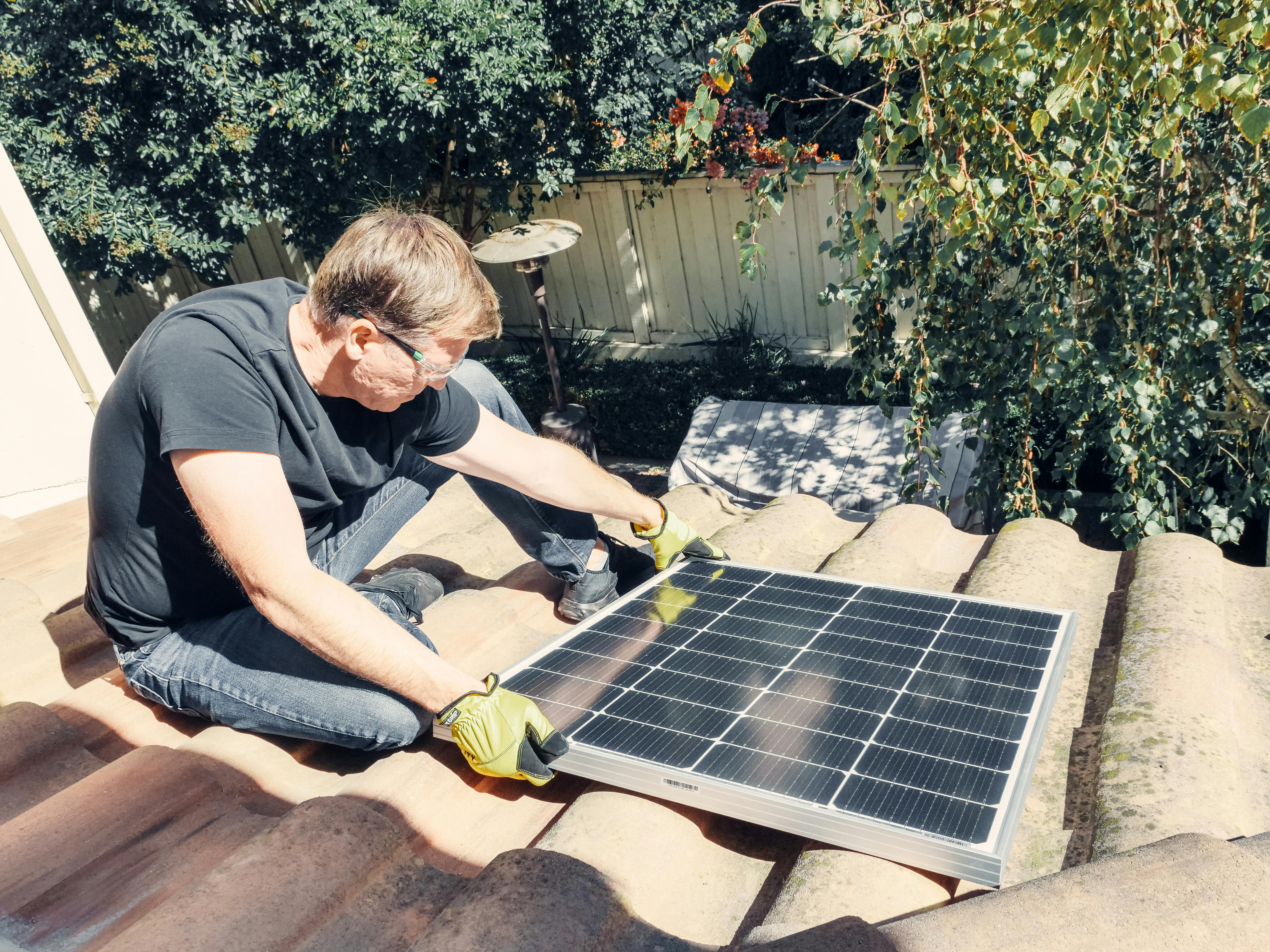
Read more
Energy GridResidential electricity meter and utility equipment mounted on the outside of a home
Energy GridMay 13, 20267 min read

Will Your Electricity Bill Go Up Because of AI?

The uncomfortable answer is yes in some places, but not in the simple way most people assume. Household bills are more likely to rise when utilities socialize new infrastructure costs, when capacity-market rules price in projected AI load early, or when local grid bottlenecks force expensive upgrades.

By Nawaz Lalani
Ratepayer explainer
Read more
AI AutomationProfessional team reviewing research notes, charts, and laptops around a work table
AI AutomationMay 12, 20267 min read

The One-Person AI Research Desk Stack

Most AI tool lists are random. The useful question is simpler: what stack helps one person find signal, verify sources, write clearly, make visuals, publish, and distribute a professional briefing every day?

By Nawaz Lalani
AI Automation playbook
Read more
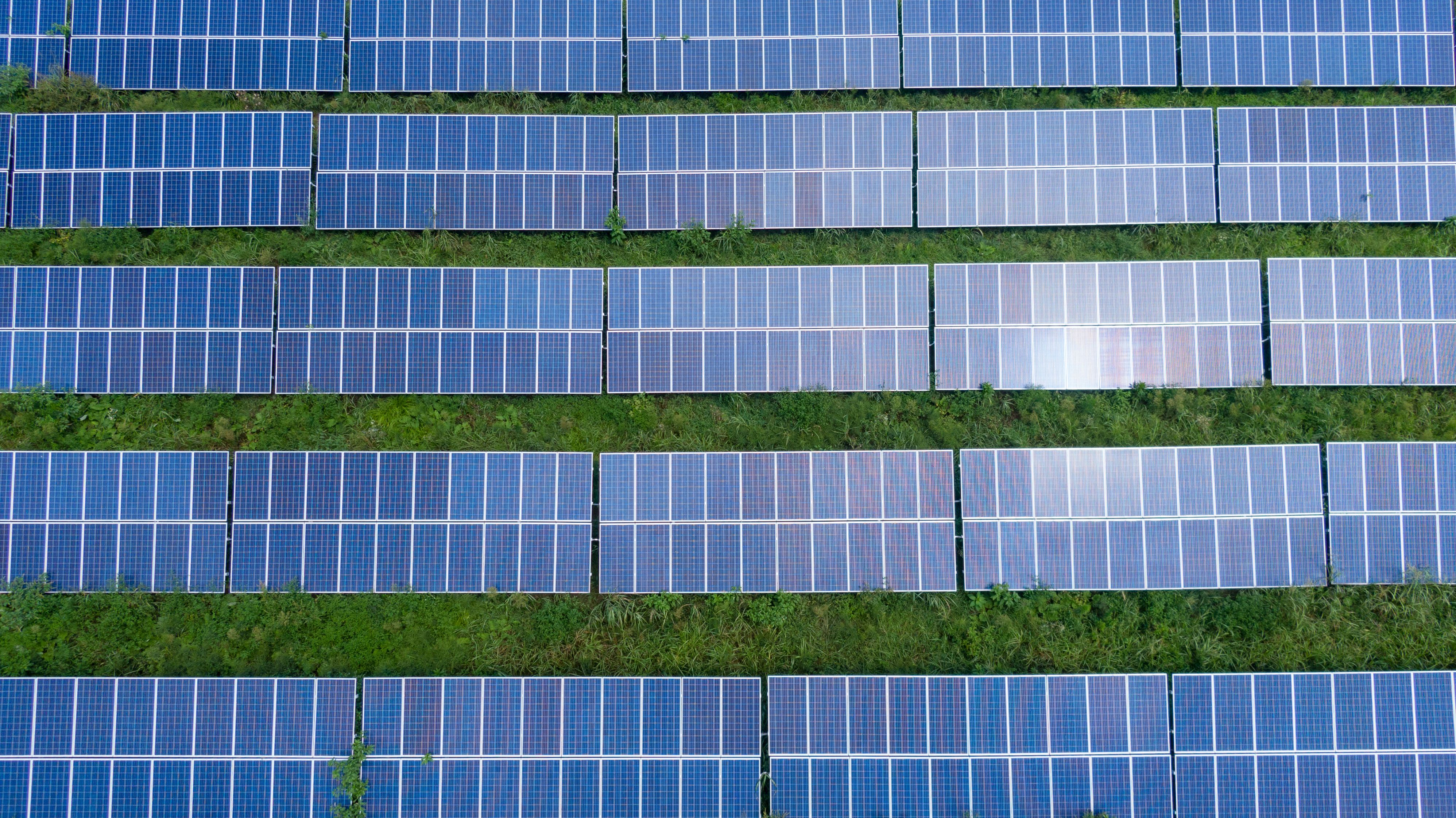
Energy GridSolar panels, transmission towers, and power infrastructure under a blue sky
Energy GridMay 10, 20267 min read

The AI Power Forecast Is Now a Planning Range, Not a Single Number

The strongest AI electricity story is no longer one scary demand estimate. It is the spread between scenarios. IEA says global data center electricity use could nearly double by 2030, while EIA expects U.S. power demand to keep rising as large computing facilities expand. The operating question is which projects become real load, where they land, and whether the grid can stage capacity fast enough.

By Nawaz Lalani
Weekly data feature
Read more
InfrastructureLarge data center corridor with server racks and blue lighting
InfrastructureMay 10, 20266 min read

NVIDIA and IREN Turn 5GW AI Capacity Into a Power-Readiness Story

NVIDIA and IREN’s new 5GW partnership is easy to read as another giant AI infrastructure headline. The more important reading is narrower: power-ready data center capacity is becoming scarce enough that the market now rewards developers who can stage GPUs, land, interconnection, and operating infrastructure as one coordinated product.

By Nawaz Lalani
Infrastructure analysis
Read more
InfrastructureLarge electrical substation with transmission infrastructure
InfrastructureMay 9, 20266 min read

OpenAI’s 10GW Push Turns AI Power Into a Grid-and-Construction Timing Story

OpenAI says it has already surpassed the 10GW U.S. AI infrastructure commitment it laid out for 2029, with more than 3GW added in the last 90 days alone. That changes the AI infrastructure story again: the constraint is not whether labs want more compute, but how quickly power, land, interconnection, cooling, and construction can be staged into real operating capacity.

By Nawaz Lalani
Infrastructure analysis
Read more
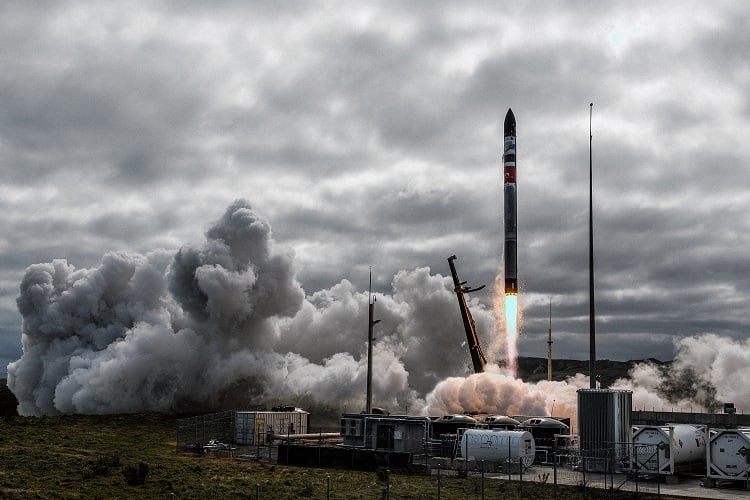
MarketsRocket Lab Electron launch vehicle lifting off from the launch pad
MarketsMay 8, 20267 min read

Rocket Lab Stock (RKLB): What the Space Company Actually Does, Why It Matters, and How It Connects to SpaceX

Rocket Lab is often introduced as a smaller SpaceX rival, but that description is too shallow to be useful. Rocket Lab is building a broader space business across launch, spacecraft, satellite components, and defense-linked space systems. For investors, the real question is not whether Rocket Lab is “the next SpaceX.” It is whether RKLB is becoming one of the few scaled, publicly traded ways to own real space infrastructure growth.

By Nawaz Lalani
Markets analysis
Read more