- OpenAI’s latest infrastructure update is useful because it turns an abstract AI-demand story into a physical buildout story with named power numbers behind it.
- The reason is simple: once a company says the milestone is effectively being hit early, the conversation shifts away from whether demand is real and toward how fast the surrounding physical system can keep up.
- OpenAI’s own framing makes that clear.
- Section
- Infrastructure
- Read time
- 6 min read
- Why this page exists
- The Grid Report publishes operator-grade coverage on AI, power, infrastructure, automation, and markets.
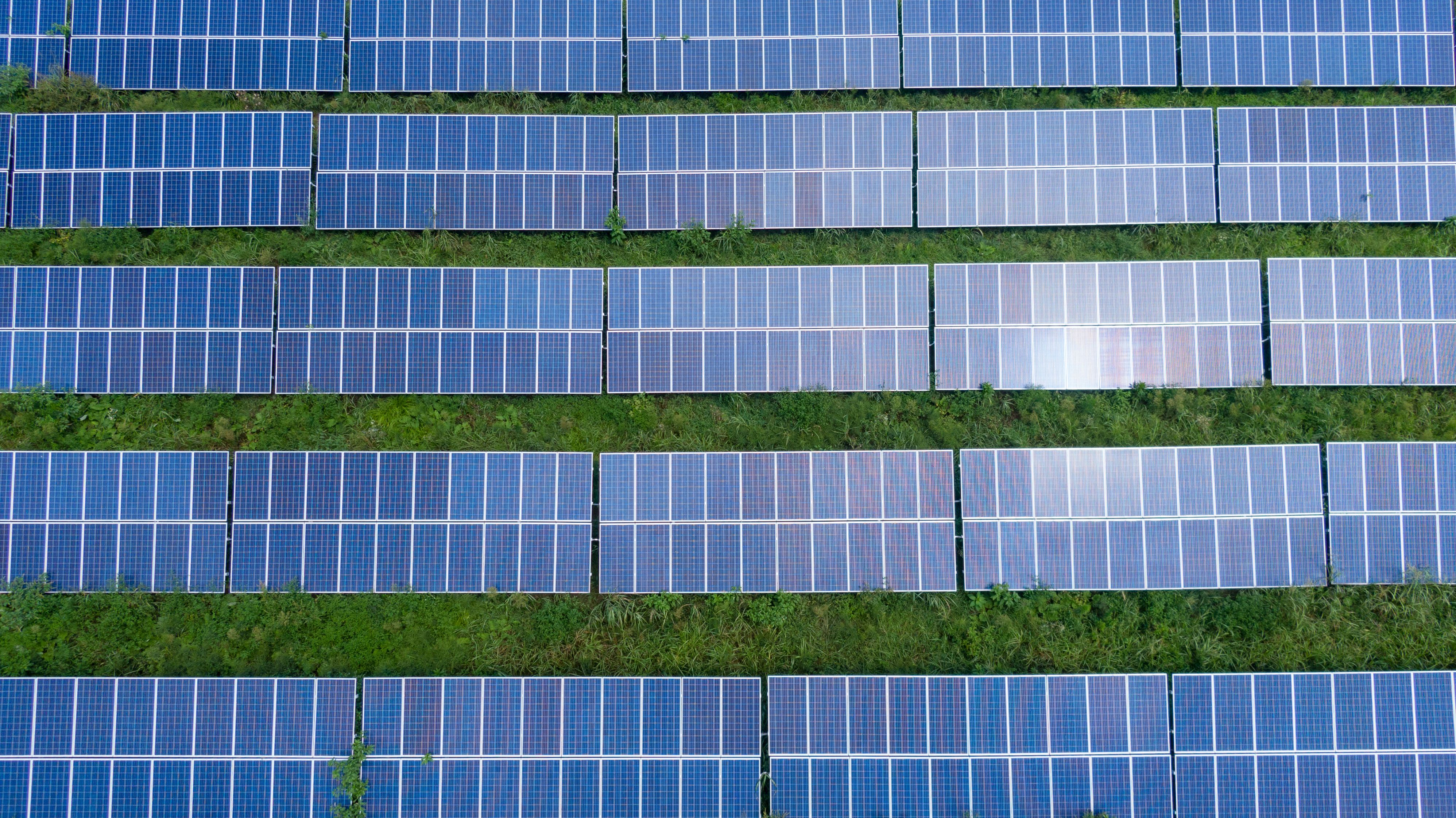
Stargate timing snapshot
The infrastructure signal here is not just the headline milestone. It is how quickly very large power-linked capacity is being staged.
| Metric | Figure | Why it matters |
|---|---|---|
| Original U.S. target | 10GW by 2029 | Shows the scale OpenAI initially framed as a long-horizon buildout. |
| Status as of April 29, 2026 | Target surpassed | Suggests the buildout timeline is compressing faster than the original public commitment implied. |
| Capacity added in prior 90 days | More than 3GW | Highlights how quickly large blocks of AI-linked infrastructure are now being brought online. |
Source: OpenAI, “Building the compute infrastructure for the Intelligence Age,” April 29, 2026.
OpenAI’s latest infrastructure update is useful because it turns an abstract AI-demand story into a physical buildout story with named power numbers behind it. In its April 29, 2026 post on compute infrastructure, OpenAI said Stargate had already surpassed the 10-gigawatt U.S. AI infrastructure milestone it originally targeted for 2029, with more than 3GW added in the prior 90 days alone. That is not just a scale headline. It is a timing headline.
The reason is simple: once a company says the milestone is effectively being hit early, the conversation shifts away from whether demand is real and toward how fast the surrounding physical system can keep up. Compute ambition is no longer the interesting variable. Power delivery, transmission readiness, permitting, cooling design, workforce availability, and site sequencing are.
The AI bottleneck is no longer whether labs want more compute. It is how fast power and physical capacity can actually be staged.
OpenAI’s own framing makes that clear. The company says projects are being evaluated based on the right combination of power, land, permitting, transmission, workforce, community support, and partner readiness. That list reads less like a software roadmap and more like an industrial development checklist. In practice, it means AI capacity is increasingly a race between capital deployment and infrastructure lead times.
The broader grid backdrop is moving in the same direction. In January, the U.S. Energy Information Administration said power demand is on track for its strongest four-year growth period since 2000, driven largely by large computing facilities including data centers. That matters because OpenAI’s buildout is not landing in a flat-load system. It is landing into a power market already being asked to absorb a more concentrated and urgent class of demand.
So the stronger reading of OpenAI’s 10GW announcement is not merely that one lab wants more compute. It is that frontier AI is now forcing a much more physical question: which regions, utilities, and infrastructure partners can turn announced demand into energized capacity on schedule. In that environment, speed to power becomes a strategic capability in its own right.
Nawaz Lalani
Nawaz Lalani is the creator of The Grid Report and writes about AI infrastructure, grid power demand, automation systems, and the market signals shaping the physical AI economy. His focus is translating technical and industrial shifts into practical coverage for operators, investors, builders, and teams making real deployment decisions.
Follow the lane, not just the headline.
The strongest value in The Grid Report comes from following how AI, infrastructure, power, automation, and markets connect over time.