- One of the more important AI-power ideas this year is that future AI campuses may not need to behave like ordinary passive loads.
- The reason that matters is not branding.
- NVIDIA and Emerald frame the opportunity as a way to shorten time to power while helping the grid rather than simply extracting from it.
- Section
- Energy
- Read time
- 6 min read
- Why this page exists
- The Grid Report publishes operator-grade coverage on AI, power, infrastructure, automation, and markets.
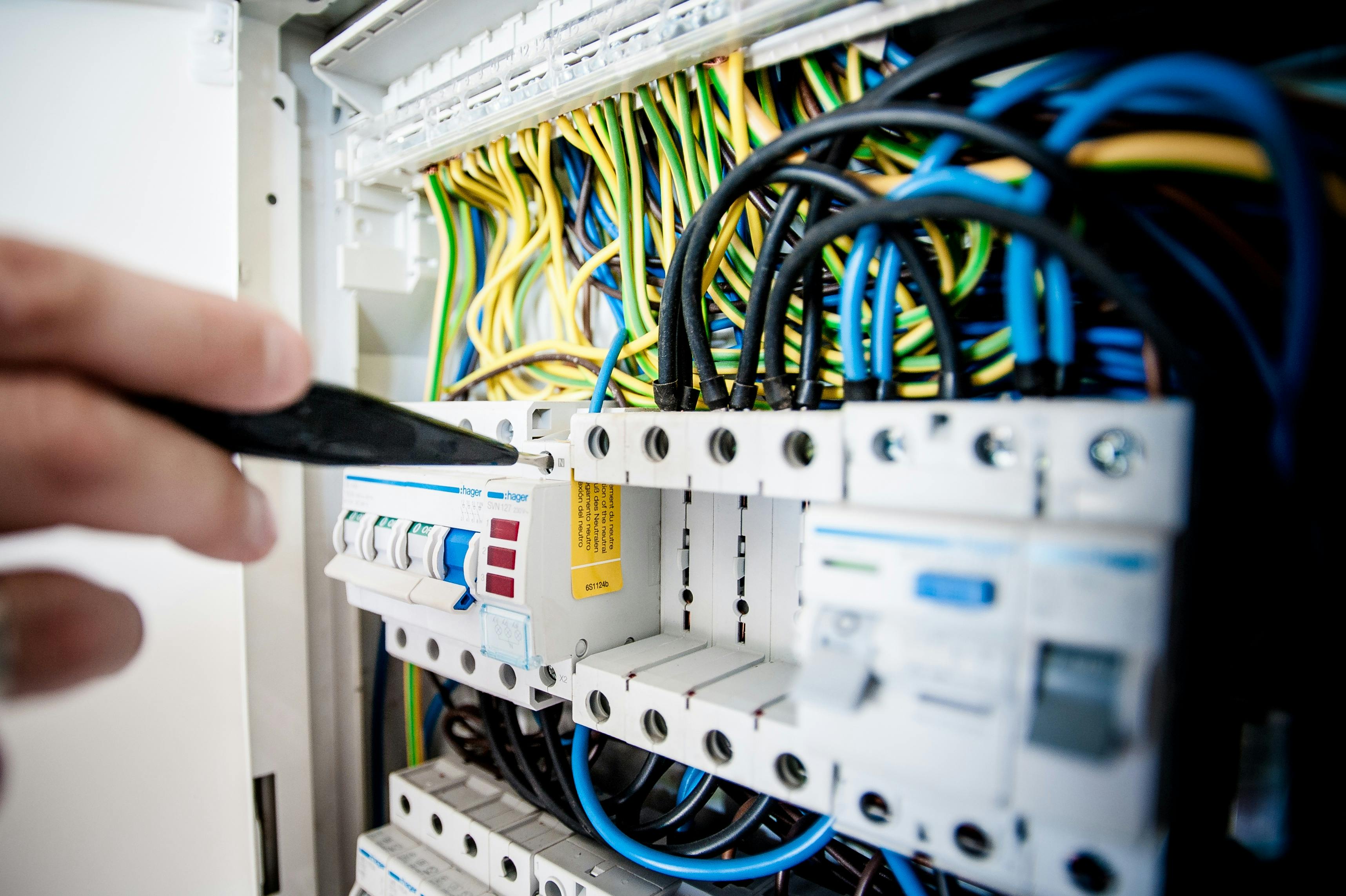
Flexible AI factory operating model
The core value proposition is faster time to power without treating large AI loads as rigid, all-or-nothing demand.
| Design element | Operational purpose | Why it matters |
|---|---|---|
| Co-located generation and storage | Provides bridge power and local flexibility | Can help projects move before full conventional interconnection timelines are complete. |
| Grid-responsive compute flexibility | Adjusts load during limited stress periods | Can ease reliability pressure and improve the odds of faster connections. |
| Hybrid interconnection model | Starts with local resources, then expands grid participation | Keeps projects from becoming permanently isolated energy islands. |
Source: NVIDIA and Emerald AI press release, March 23, 2026.
One of the more important AI-power ideas this year is that future AI campuses may not need to behave like ordinary passive loads. In March, NVIDIA and Emerald AI announced a collaboration with AES, Constellation, Invenergy, NextEra, Nscale, and Vistra around “flexible AI factories” that can use co-located generation and storage, connect faster, and respond to grid conditions more intelligently.
The reason that matters is not branding. It is interconnection logic. If a project can use bridge power, flex around periods of grid stress, and still maintain quality of service for priority workloads, it changes how quickly capacity can come online and how the surrounding power system experiences that load. That is a much more practical proposition than waiting for every AI campus to arrive as a perfectly timed, fully energized conventional load.
The next AI campus may need to behave less like a passive load and more like a flexible grid-facing industrial asset.
NVIDIA and Emerald frame the opportunity as a way to shorten time to power while helping the grid rather than simply extracting from it. Their claim is that AI factories are too valuable to be treated either as passive loads or permanent islands. In other words, the next generation of AI infrastructure may need to sit somewhere between a traditional data center and a flexible industrial energy asset.
That sits directly on top of the problem many developers are already facing. Conventional interconnection timelines are often too slow for the pace of AI investment, which is why so many gigawatt-scale projects have turned toward co-located generation and storage. But isolated energy islands have their own drawbacks: they can raise long-term cost, strand useful assets, and reduce the amount of flexibility available to the wider system.
So the stronger takeaway is that grid-responsive AI infrastructure is moving from theory toward commercial design language. If these architectures prove workable, they will matter not just for engineering elegance but for project sequencing itself. Faster time to power, better use of existing infrastructure, and more credible grid integration would make flexible AI factories one of the most important operating ideas in the next phase of AI buildout.
Nawaz Lalani
Nawaz Lalani is the creator of The Grid Report and writes about AI infrastructure, grid power demand, automation systems, and the market signals shaping the physical AI economy. His focus is translating technical and industrial shifts into practical coverage for operators, investors, builders, and teams making real deployment decisions.
Follow the lane, not just the headline.
The strongest value in The Grid Report comes from following how AI, infrastructure, power, automation, and markets connect over time.