- The new NVIDIA and IREN partnership is significant because it gives the AI infrastructure buildout another named number tied to real operating capacity.
- The easy version of that story is that the AI boom keeps getting bigger.
- That is why the IREN angle matters.
- Section
- Infrastructure
- Read time
- 6 min read
- Why this page exists
- The Grid Report publishes operator-grade coverage on AI, power, infrastructure, automation, and markets.
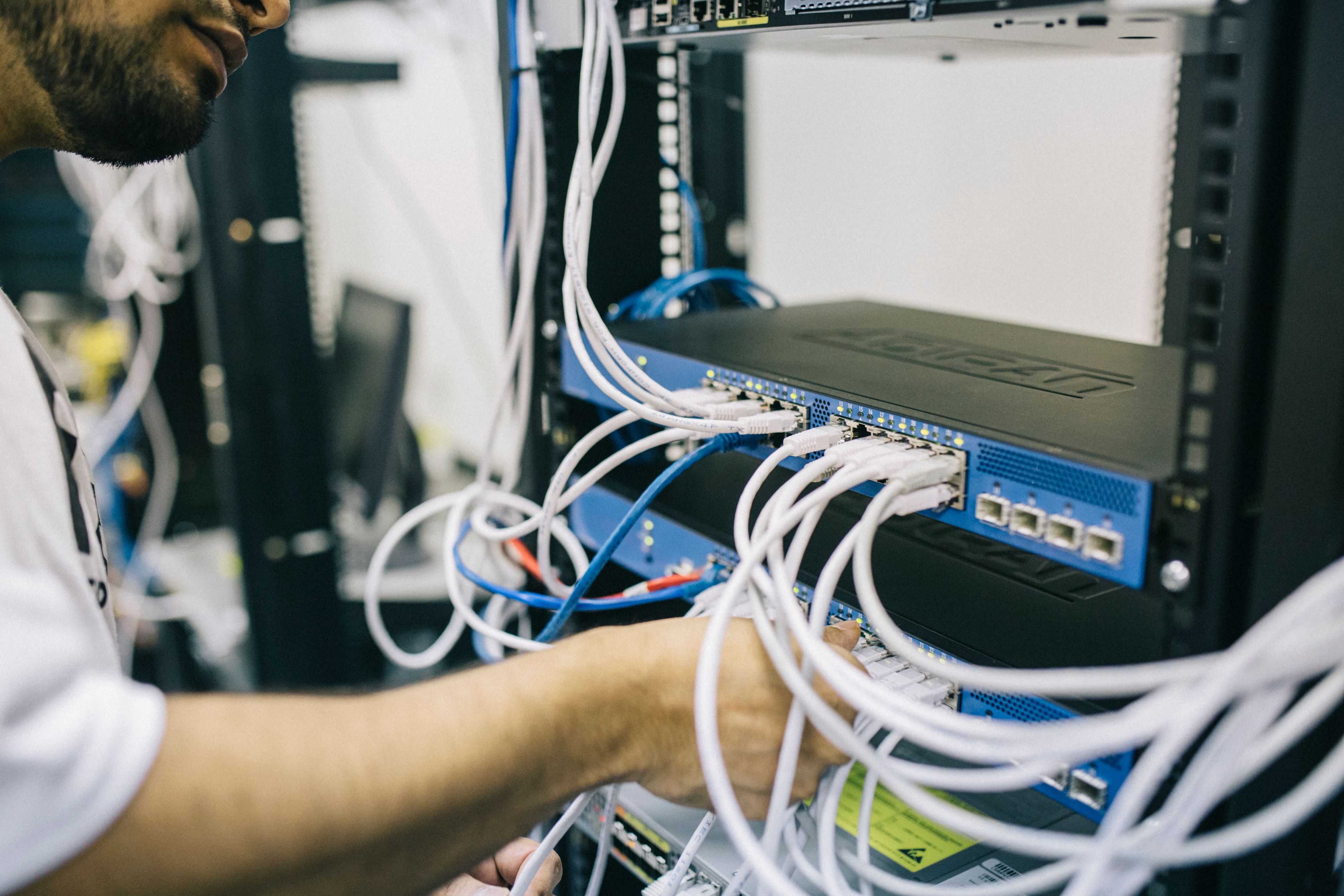
NVIDIA-IREN capacity snapshot
What matters here is not just the headline size. It is the combination of contracted demand and staged infrastructure capacity.
| Signal | Figure | Why it matters |
|---|---|---|
| AI infrastructure partnership scope | Up to 5GW | Shows the market is now framing AI capacity in utility-scale infrastructure terms. |
| AI cloud services contract | Up to $3.4 billion over five years | Connects physical capacity to revenue-bearing compute demand. |
| Operating implication | Power-ready capacity is becoming a product | Developers with credible energization paths can become strategic AI suppliers. |
Source: NVIDIA/IREN partnership and IREN business update, both published May 7, 2026.
The new NVIDIA and IREN partnership is significant because it gives the AI infrastructure buildout another named number tied to real operating capacity. On May 7, 2026, the companies announced a strategic partnership to accelerate deployment of up to 5 gigawatts of AI infrastructure across IREN’s global data center pipeline. On the same day, IREN also disclosed a five-year AI cloud services contract with NVIDIA worth up to $3.4 billion.
The easy version of that story is that the AI boom keeps getting bigger. The stronger version is that power-ready capacity is becoming a strategic product in its own right. Once partnerships are being framed around gigawatt-scale deployment, the scarce asset is no longer simply chips or capital. It is the ability to assemble energizable sites, utility relationships, cooling design, construction sequencing, and GPU-ready infrastructure fast enough to matter.
The scarce AI asset is no longer only chips or capital. It is the ability to turn power and sites into energized capacity on schedule.
That is why the IREN angle matters. The company is not presenting only a demand story. It is presenting a readiness story: a 5GW pipeline, a near-term expansion path, and a vertically integrated operating model that can turn announced demand into revenue-bearing infrastructure. For NVIDIA, that kind of partner is useful because AI growth does not scale at the speed of model ambition alone. It scales at the speed of real-world deployment.
This is also why the announcement fits the larger AI power narrative now taking shape across the sector. OpenAI has already reframed the conversation around how quickly power and physical capacity can be staged into operation. Flexible AI factories are being positioned as grid-facing assets rather than passive loads. Now the NVIDIA-IREN deal adds another confirmation that the market is rewarding developers who can offer something more concrete than land and future intent.
The practical takeaway is that AI infrastructure competition is becoming more selective. The winners will not just be the companies that can talk about future demand. They will be the ones that can prove a path from power to energized capacity to contracted compute revenue. In that environment, a 5GW partnership is less about abstract scale than about who is becoming a credible supplier of AI readiness.
Sources
NVIDIA and IREN announce strategic partnership, May 7, 2026: https://www.globenewswire.com/news-release/2026/05/07/3290674/0/en/NVIDIA-and-IREN-Announce-Strategic-Partnership-to-Accelerate-Deployment-of-up-to-5-Gigawatts-of-AI-Infrastructure.html
IREN business update and Q3 FY26 results, May 7, 2026: https://www.globenewswire.com/news-release/2026/05/07/3290719/0/en/IREN-Business-Update-and-Q3-FY26-Results.html
IREN secures $3.4bn AI cloud contract with NVIDIA, May 7, 2026: https://www.globenewswire.com/news-release/2026/05/07/3290760/0/en/iren-secures-3-4bn-ai-cloud-contract-with-nvidia.html
Nawaz Lalani
Nawaz Lalani is the creator of The Grid Report and writes about AI infrastructure, grid power demand, automation systems, and the market signals shaping the physical AI economy. His focus is translating technical and industrial shifts into practical coverage for operators, investors, builders, and teams making real deployment decisions.
Follow the lane, not just the headline.
The strongest value in The Grid Report comes from following how AI, infrastructure, power, automation, and markets connect over time.