- One of the strongest unpublished energy stories this week is Nebius choosing Bloom Energy fuel cells for its U.S.
- Nebius and Bloom said on May 20 that the first project is expected to bring 328 megawatts of installed capacity online this year.
- The better Grid Report angle is that the AI infrastructure race is increasingly a time-to-power race.
- Section
- Energy
- Read time
- 5 min read
- Why this page exists
- The Grid Report publishes operator-grade coverage on AI, power, infrastructure, automation, and markets.
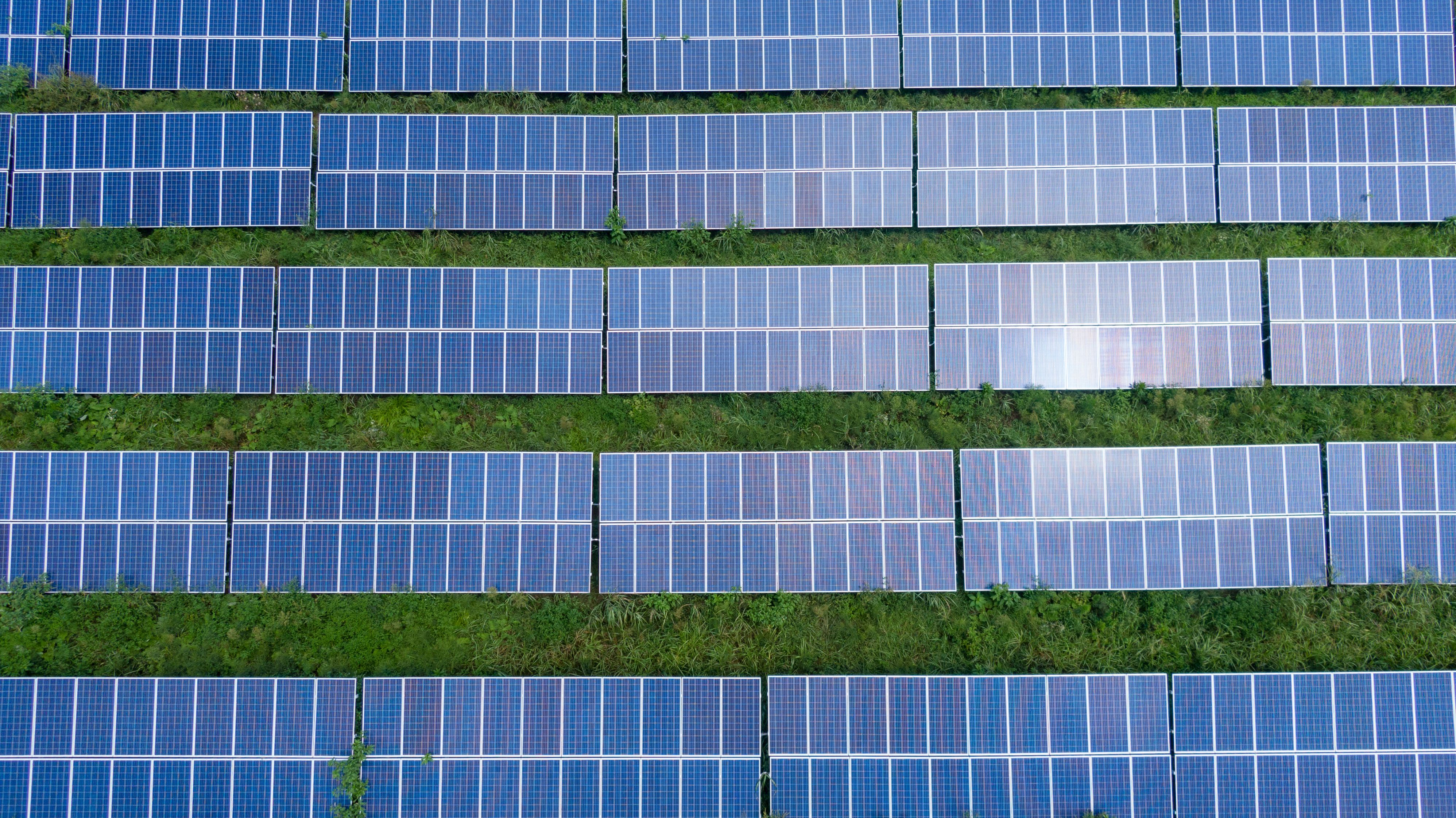
One of the strongest unpublished energy stories this week is Nebius choosing Bloom Energy fuel cells for its U.S. AI infrastructure build-out. The publishable signal is not just that another data-center operator found a power supplier. It is that Nebius is explicitly using behind-the-meter generation to shorten time-to-power, cut dependence on new transmission build, and replace previously planned combustion-based technology at its first U.S. deployment.
Nebius and Bloom said on May 20 that the first project is expected to bring 328 megawatts of installed capacity online this year. Bloom’s modular fuel cells will provide onsite electricity behind the meter, and Nebius said the systems can be sited and commissioned on accelerated timelines. The release also says fuel cells typically face a lighter permitting burden than combustion-based generation. That is what makes the hook strong enough to publish. This is a live operating response to the power bottleneck, not a vague future-energy concept.
Nebius is not treating behind-the-meter power as a backup plan. It is treating faster onsite generation as a deployment strategy for AI capacity.
The better Grid Report angle is that the AI infrastructure race is increasingly a time-to-power race. Utilities, developers, and model companies can all talk about long-run megawatt demand, but operators still have to decide how to get usable capacity online before the full grid buildout catches up. Nebius is effectively saying that behind-the-meter generation is no longer backup logic. It is primary deployment logic for AI cloud expansion.
This clears the duplicate block for the site. The Grid Report has already covered flexible AI factories, Virginia load growth, PJM emergency measures, and who pays for grid upgrades. This article is materially different because it is about a concrete operator choosing onsite power architecture to move around transmission timing and permitting friction. The useful question is not whether grid constraints exist. It is what builders actually do when those constraints threaten deployment speed.
For operators, the implication is practical. If fast-sited fuel cells can deliver the uptime and performance AI workloads need, behind-the-meter power becomes a more credible bridge strategy for campuses that cannot wait on conventional energization schedules. That does not eliminate utility dependence forever, but it can change sequencing, site design, and what kind of projects clear internal return thresholds.
For the power system, the signal is more complicated. Behind-the-meter generation can reduce immediate dependence on new transmission and speed project delivery, but it also shows how serious the grid timing problem has become. When large AI operators start designing around the transmission queue instead of through it, that is an infrastructure stress signal in its own right.
The Grid Report view is that this article is publishable because it has a hard official hook, a distinct operator angle, and strong search value. The real change is not only more AI load. It is more AI capacity being staged through behind-the-meter power.
Sources
Nebius, “Nebius and Bloom Energy partner to power AI infrastructure build-out,” May 20, 2026: https://nebius.com/newsroom/nebius-and-bloom-energy-partner-to-power-ai-infrastructure-build-out
Nawaz Lalani
Nawaz Lalani is the creator of The Grid Report and writes about AI infrastructure, grid power demand, automation systems, and the market signals shaping the physical AI economy. His focus is translating technical and industrial shifts into practical coverage for operators, investors, builders, and teams making real deployment decisions.
B.S. in Geology from UT Arlington. Covers AI infrastructure, energy systems, grid constraints, automation workflows, and market signals.
Stories are built from primary sources, utility and infrastructure signals, company disclosures, filings, and operator-grade context. The goal is to explain what changed, why it matters now, and what it means for builders, investors, utilities, and teams making real deployment decisions.
Follow the lane, not just the headline.
The strongest value in The Grid Report comes from following how AI, infrastructure, power, automation, and markets connect over time.